
Willowleaf mandarin
Citrus salicifolia
Description
Growing requirements
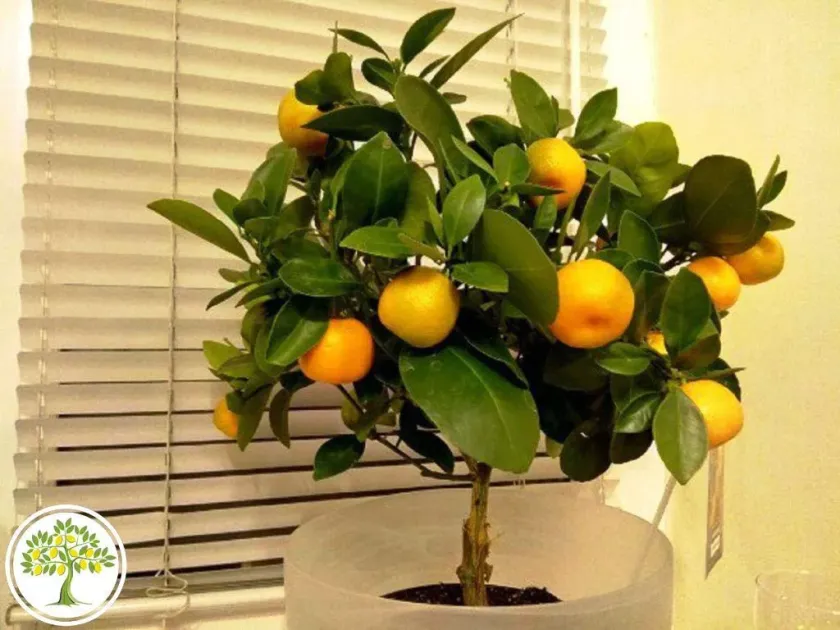
The Willowleaf mandarin (Citrus salicifolia) is an evergreen tree belonging to the Rutaceae family, distinguished by its narrow, willow-like lanceolate leaves. It thrives best in subtropical climates, where it can fully develop its vegetative potential and produce high-quality fruit.
Cultivation requires well-drained, fertile soil, ideally with a sandy loam texture to prevent root suffocation. Good soil aeration is essential for the health of this citrus species, as waterlogged conditions quickly lead to root rot and other physiological disorders.
Environmental conditions are crucial for this crop, which demands significant solar exposure to reach optimal growth. While it prefers warm temperatures, the species needs protection from frost, making it suitable for both outdoor Mediterranean planting and greenhouse cultivation in colder regions.
Agrotechnical management includes a balanced irrigation schedule and precise fertilization, focusing on phosphorus and potassium levels for better fruit set. Pruning is usually performed to shape the canopy, promote airflow, and remove dead wood to prevent the spread of infections.
The economic and domestic utility of Citrus salicifolia is extensive. Apart from producing flavorful, aromatic fruits used in culinary and industrial applications, the tree is highly valued for its aesthetic appeal, serving as an ornamental specimen in gardens and conservatories.
Main diseases and pests
Common diseases affecting this mandarin include citrus canker and fungal spots, which thrive in high-humidity environments. Integrated pest management, including fungicide application and canopy thinning, is recommended to keep the trees healthy and productive throughout the growing season.
Key pests include aphids, scale insects, and citrus leaf miners, which can cause significant damage to young foliage. Regular scouting and the application of targeted insecticides or biological control agents are necessary to prevent infestations from impacting tree vigor and harvest quality.