
White breath of heaven
Coleonema album
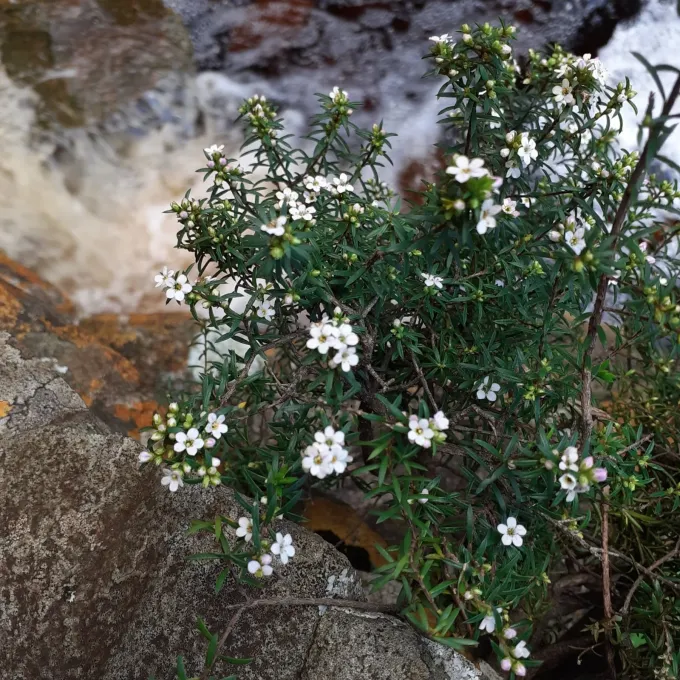
Description
Sowing dates
Coleonema album is primarily propagated through seeds or cuttings. Sowing should be carried out in a prepared substrate during the spring when soil temperatures are optimal for germination.
For cutting propagation, semi-hardwood stems should be collected in late summer or early autumn. Applying rooting hormones to the cuttings significantly improves the success rate of root development.
Young plants should be transplanted to their permanent outdoor location only after the risk of frost has passed. Ensuring proper spacing is crucial for airflow and healthy root expansion.
When grown in containers, seeds can be sown at any time provided that sufficient light and consistent moisture levels are maintained throughout the growing phase.
The seeding soil mix must be light, sandy, and possess excellent drainage properties to prevent seed rot and damping-off disease in young seedlings.
Growing requirements
Coleonema album belongs to the Rutaceae family and is an evergreen shrub native to the coastal regions of South Africa. It thrives best in sunny areas that are protected from strong winds.
The crop requires specific soil conditions: it must be acidic or neutral and well-drained. Water stagnation in the root zone is lethal for this species and must be avoided.
The plant is moderately drought-tolerant once fully established, but regular watering is necessary during prolonged dry spells. Over-saturation of the soil should be strictly prevented.
The optimal temperature range for active growth is between 15 and 25 degrees Celsius. Being sensitive to harsh frosts, this plant is often grown as a container crop in colder climates.
To maintain a compact and aesthetic shape, regular sanitary pruning and shaping should be performed immediately after the peak flowering season.
Main diseases and pests
Common pests affecting this species include aphids and spider mites, which thrive in dry conditions or when watering schedules are neglected. Use targeted insecticides or acaricides upon detection.
Excessive soil moisture often leads to fungal issues, particularly root rot. Prevention includes the use of sterile growing media and strictly controlled irrigation practices.
Nutrient deficiencies, specifically iron or magnesium, may cause leaf yellowing, which can be corrected by applying appropriate chelated fertilizer solutions.
Overcrowded plantings increase the risk of powdery mildew, making proper spacing and air circulation essential for maintaining plant health.
Routine inspection of the underside of leaves and the base of the stem allows for early detection of pathogens, ensuring the long-term vitality of the shrub.
Harvesting
The utility of Coleonema album is primarily focused on ornamental use, so there is no agricultural harvest in the traditional sense. Its main value lies in its foliage and fragrant flowers.
In floriculture, the plant is sometimes harvested for its aromatic stems, which are used in floral arrangements due to the pleasant, citrus-like essential oil scent of the foliage.
Stems intended for use in bouquets should be cut in the early morning when tissue water content is at its highest, ensuring a longer vase life for the cut material.
Utilizing the plant as a solitary feature or in low hedges requires ongoing management through pruning to control excessive growth and maintain the desired shape.
Spent flower heads should be removed to encourage bushiness and prevent the plant from diverting energy into seed production rather than vegetative growth.