
Pilocarpus microphyllus
Pilocarpus microphyllus
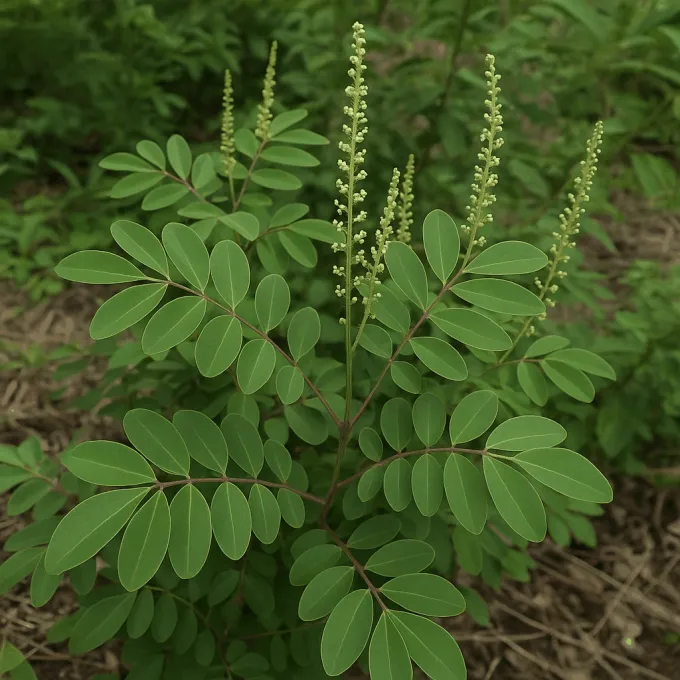
Description
Sowing dates
Pilocarpus microphyllus is an evergreen shrub belonging to the Rutaceae family. In agricultural practice, it is primarily propagated through seeds or stem cuttings, which are then nurtured in specialized nurseries to ensure robust initial growth.
The seeds have a hard seed coat and require scarification or specific hydration protocols to break dormancy. Once the seedlings reach a sufficient size, they are transplanted into open fields, preferably at the onset of the rainy season to promote establishment.
Planting density is a crucial management factor. For commercial leaf production, spacing should allow for adequate light penetration and facilitate the mechanical operations required for regular pruning and care.
Young plants are sensitive to intense direct sunlight, necessitating the use of shade structures or natural tree canopy protection during the first few years of growth until the plants become fully established.
The development cycle is relatively slow, meaning that commercial harvest can typically begin only three to four years after planting. Consistent agricultural management during this phase is essential for maximizing biomass production.
Growing requirements
Native to the tropical forests of Brazil, this species demands specific climatic conditions for healthy growth. It thrives in environments where temperatures remain stable between 22 and 28 degrees Celsius throughout the year.
The plant requires well-drained, fertile soil with a slightly acidic pH, typically ranging between 5.5 and 6.5. Waterlogged soil conditions are highly detrimental to the roots and must be avoided through effective site selection and drainage.
High humidity is essential for the physiological processes of the plant. In regions with significant dry seasons, the implementation of irrigation systems is necessary to maintain leaf turgor and prevent the loss of active alkaloid concentrations.
Soil fertility management involves regular organic fertilization. Proper nutrient balance, particularly during the active growing season, is vital for the development of the foliage, which is the primary economic output of the crop.
Pilocarpus microphyllus is extremely sensitive to cold temperatures. Frost exposure can cause irreparable damage to the shrub, limiting its cultivation strictly to tropical latitudes where freezing conditions are non-existent.
Main diseases and pests
Pilocarpus microphyllus is vulnerable to various tropical pests. Leaf-eating insects, particularly certain types of caterpillars, can cause significant damage to the plant canopy if not monitored and managed effectively.
Integrated Pest Management (IPM) is the preferred approach for this crop. Encouraging natural predators and utilizing biological controls helps protect the medicinal quality of the leaves by reducing the reliance on chemical pesticides.
Fungal infections, such as powdery mildew, often arise in poorly ventilated plantations with high humidity levels. Proper spacing and proactive canopy management are essential to ensure adequate airflow and reduce disease incidence.
Root rot represents a major challenge associated with poor drainage or over-irrigation. Once a plant is affected, it must be promptly removed and the surrounding soil treated to prevent the spread of soil-borne pathogens to neighboring shrubs.
Regular field inspection is vital to identify disease outbreaks at the early stage. When chemical intervention is necessary, it must follow strict guidelines for medicinal plants, ensuring zero residue remains on the harvested product at the time of collection.
Harvesting
The primary economic focus of this crop is the harvesting of its leaves, which are rich in pilocarpine. This alkaloid serves as a critical ingredient in various pharmaceutical drugs, most notably in ophthalmic treatments for glaucoma.
Harvesting is typically performed by pruning branches or selectively picking mature leaves. Sustainable harvest management is essential, as stripping the plant excessively can jeopardize its future growth and alkaloid production capabilities.
The drying process is a critical post-harvest step. To maintain the integrity of the alkaloids, the leaves must be dried in controlled environments where temperatures do not exceed 45 degrees Celsius, preventing degradation.
Once dried, the leaves are processed to remove stems and impurities. The quality of the final product is highly dependent on the speed and precision of the drying and cleaning stages following the field harvest.
Storage requires cool, dry, and dark conditions to prevent oxidation. Proper packing ensures that the potency of the medicinal active ingredients is preserved throughout the supply chain until it reaches the pharmaceutical laboratory.