
Pilocarpus jaborandi
Pilocarpus jaborandi
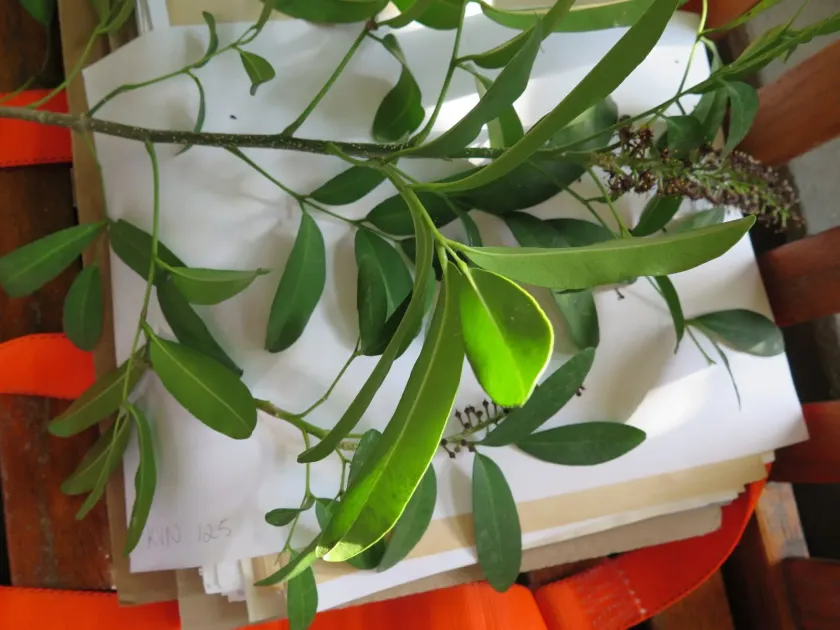
Description
Growing requirements
Pilocarpus jaborandi is a perennial evergreen shrub belonging to the Rutaceae family. It is native to the tropical forests of Brazil, where it thrives under warm, humid conditions throughout the year.
The plant demands a consistent tropical climate with high ambient humidity. It is extremely sensitive to cold temperatures and cannot survive frost, making greenhouse cultivation necessary in temperate zones.
Soil requirements include well-drained, fertile substrates that are rich in organic matter. Proper drainage is essential, as the plant is highly susceptible to root rot if water stagnation occurs in the root zone.
Light exposure should be carefully managed; while seedlings prefer partial shade, mature plants can withstand higher light intensity provided that soil moisture is consistently maintained.
Agronomic management involves regular application of balanced fertilizers during the growing season. Propagation is primarily achieved through seeds or stem cuttings conducted under controlled environmental conditions to ensure high success rates.
Yield
The economic value of this crop is derived from its leaves, which contain the alkaloid pilocarpine. The yield is measured by the biomass of leaves harvested periodically from the established shrubs.
Harvesting involves pruning specific branches, which serves a dual purpose: collecting medicinal material and stimulating vegetative regeneration. Proper pruning techniques prevent physical damage to the main stem structure.
Post-harvest processing requires immediate drying of the leaves at moderate temperatures to maintain the stability of active pharmaceutical ingredients. Proper storage in dry, dark conditions is crucial for shelf-life.
The pharmaceutical industry relies on this crop to treat medical conditions such as glaucoma. Due to this specific use, the standardization of leaf quality is a critical aspect of large-scale production.
Annual yields fluctuate based on climatic stability, soil fertility management, and the age of the plantation, which must be carefully monitored to maximize alkaloid production.
Main diseases and pests
Fungal root diseases represent the most significant threat to Pilocarpus jaborandi plantations. These pathogens typically emerge in conditions with poor drainage and excessive irrigation.
Common pests include spider mites and scale insects, which target the leaves and reduce the overall quality of the medical harvest. Regular scouting and monitoring are essential for early detection.
Integrated pest management, including the use of biological control agents and selective pruning of infested branches, is recommended to protect the crop without excessive chemical usage.
Weed management in the field is necessary to reduce competition for nutrients and water, and to minimize hiding spots for pests that could potentially damage the plant structure.
Sanitation practices, such as the removal of fallen leaves or debris around the base of the shrubs, help reduce the incidence of soil-borne pathogens and keep the plantation healthy.