
Orixa japonica
Orixa japonica
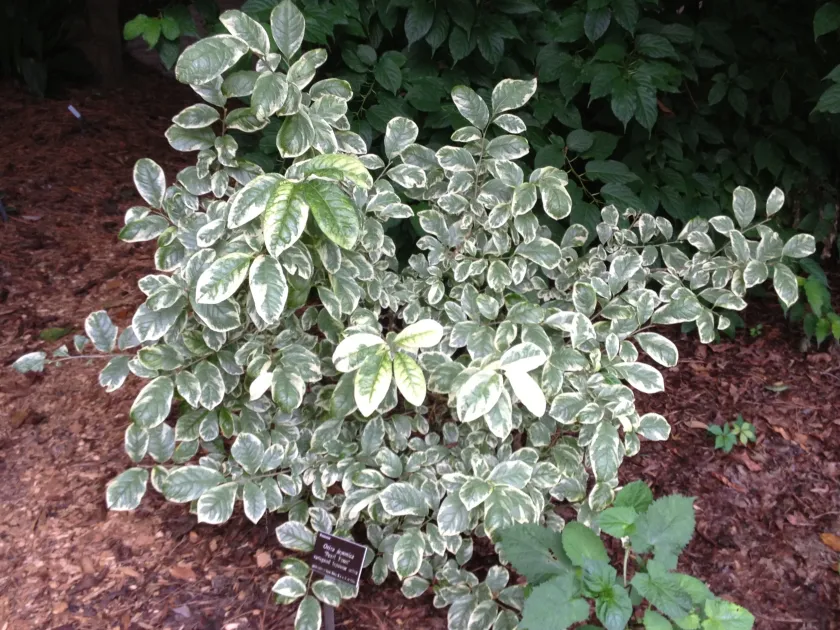
Description
Growing requirements
Orixa japonica is a deciduous shrub belonging to the Rutaceae family. Native to the forests of Japan, Korea, and China, it is known for its elegant, spreading growth habit and distinctive foliage.
The plant thrives in moist, fertile, and well-drained soil. It is best suited for environments with partial shade, although it can tolerate full sun if provided with adequate moisture during the growing season.
Climatic requirements involve moderate protection from harsh, drying winds. While relatively hardy, young specimens require mulch and shelter to survive freezing winter temperatures below -15°C.
Agronomic management includes maintaining a steady soil pH level and ensuring organic matter is replenished annually. This practice supports the plant's health and ensures the characteristic vibrant green of its leaves.
Landscape applications are primary for this species. It is frequently used as a specimen plant, in mixed borders, or for informal hedging due to its naturally aesthetic form that requires minimal training.
Main diseases and pests
One of the key advantages of growing Orixa japonica is its high level of resistance to various fungal diseases that often affect more common garden shrubs.
Pests are generally not a major issue; however, scale insects and spider mites may occasionally appear during prolonged periods of drought or if the plant is stressed by environmental factors.
Overwatering leading to root rot is the most common man-made threat. It is essential to ensure that the site has excellent drainage to keep the root system healthy.
Good hygiene in the garden, such as clearing debris from beneath the shrub, significantly reduces the likelihood of colonization by unwanted insects or pathogens.
Early intervention is recommended if any signs of discoloration or wilting appear, though, in most cases, Orixa japonica remains a low-maintenance, trouble-free plant.