
Pilocarpus racemosus
Pilocarpus racemosus
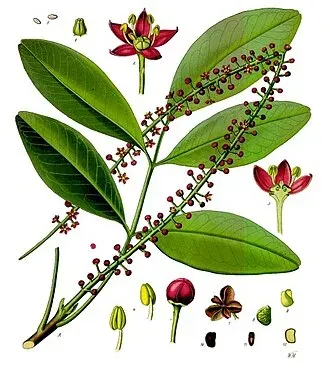
Description
Growing requirements
Pilocarpus racemosus is a perennial evergreen shrub belonging to the Rutaceae family. It is a highly valued medicinal plant native to the Caribbean region, known primarily for its high concentration of alkaloids within its foliage.
The plant thrives in tropical climates where the temperature remains consistent between 22 and 28 degrees Celsius. Exposure to frost or prolonged cold temperatures is fatal to the development of this species.
It requires deep, fertile, well-drained soils with a slightly acidic to neutral pH level. Proper site selection must ensure protection from high-velocity winds that can damage the delicate leaf structures.
Agronomic management involves providing consistent moisture throughout the growing season. While mature plants are somewhat hardy, young seedlings require high humidity and partial shade to avoid transpiration stress.
The primary economic value of this crop lies in its leaves, which are harvested to extract pilocarpine. This compound is widely utilized in modern medicine, particularly in ophthalmology for treating glaucoma and other ocular conditions.
Main diseases and pests
Spider mites are the most common pest threat to Pilocarpus racemosus, especially when the ambient air humidity drops below optimal levels for the plant.
Scale insects represent another significant concern, as they can cause severe sap loss and stunt the growth of young shrubs if not managed early.
Root rot, driven by stagnant water or soil compaction, is a persistent threat that requires strict adherence to irrigation schedules and soil aeration techniques.
Fungal leaf spots can occur in high-humidity, low-airflow environments, negatively impacting the concentration of active medicinal ingredients in the leaves.
Effective pest and disease control requires a preventative approach, emphasizing early monitoring and the use of organic-friendly treatments to preserve the pharmaceutical quality of the raw material.