
Pilocarpus pennatifolius
Pilocarpus pennatifolius
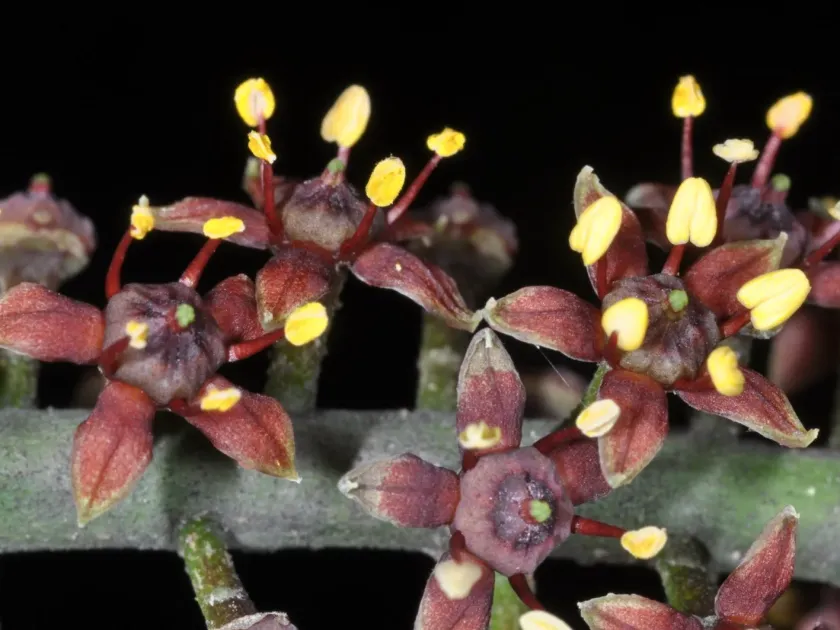
Description
Sowing dates
Pilocarpus pennatifolius is propagated primarily through seeds or stem cuttings in specialized nursery environments. Germination requires careful temperature control, ideally maintained between 22 and 25 degrees Celsius, to ensure uniform emergence.
Seeds may exhibit dormancy, often requiring pre-sowing treatments like stratification to improve success rates. The use of light, well-draining peat-based substrates is essential for the healthy development of seedlings during the initial stages.
Sowing in greenhouses is typically conducted in early spring, allowing the young plants sufficient time to establish a strong root system before the active growth period. Seedlings are transplanted once the first true leaves have developed.
Field transplantation should only occur once the threat of cold weather has completely passed, as this species is highly sensitive to temperature fluctuations. A spacing of at least 1–1.5 meters between plants is recommended for proper air circulation.
Vegetative propagation via cuttings allows for the cloning of high-yielding plants and preserves genetic consistency. This process involves using rooting hormones and maintaining high humidity levels to promote successful root formation.
Growing requirements
Belonging to the Rutaceae family, this evergreen shrub requires a tropical or subtropical climate to thrive. It has a low tolerance for cold and must be protected from any frost, which can cause severe damage or death.
The plant performs best in fertile, well-drained soils with a pH ranging from slightly acidic to neutral. High levels of oxygen in the root zone are crucial to prevent root rot in humid conditions.
Pilocarpus pennatifolius prefers bright, indirect light, as direct exposure can scorch the foliage of young plants. In regions with intense solar radiation, light shading is often necessary for optimal leaf development.
Regular irrigation is required during the peak growth season, though it should be reduced as temperatures drop. Ensuring adequate drainage is a fundamental aspect of its water management to prevent waterlogging.
Nitrogen-rich mineral fertilizers are beneficial during the growing season to stimulate foliage production. Organic fertilizers should be applied annually to maintain soil structure and provide essential micronutrients.
Yield
The primary agricultural product is the leaf, which is harvested for the extraction of the alkaloid pilocarpine. The total yield is heavily dependent on plant maturity, population density, and consistent management practices.
Harvesting usually begins when the plants reach three to four years of age, ensuring the bushes are strong enough to withstand regular pruning. Leaves are picked by hand to protect the structural integrity of the branches.
Drying must be performed in well-ventilated areas at temperatures not exceeding 45 degrees Celsius to preserve the delicate chemical composition of the leaves. High-quality raw material retains a distinct color and aroma.
Productivity per hectare varies based on local environmental conditions and the intensity of the agricultural regime. Lab testing of pilocarpine concentration is mandatory to ensure the quality of the harvested biomass.
- Consistent levels of pilocarpine concentration.
- Systematic replacement of aging bushes.
- Strict adherence to harvesting schedules for plant health.
Main diseases and pests
Spider mites are the primary pests affecting these crops, particularly in dry atmospheric conditions. Regular misting and monitoring are essential practices for keeping mite populations below economic thresholds.
Scale insects and mealybugs may also infest the stems and leaves, causing a decline in plant vigor. Integrated pest management, including the targeted use of systemic insecticides, is recommended for severe infestations.
Fungal pathogens such as anthracnose are frequent in high-humidity environments. Improving canopy ventilation and applying copper-based fungicides are standard measures for controlling fungal spread.
Root rot is typically associated with poor soil drainage or excessive watering. Maintaining a strict irrigation schedule and monitoring soil moisture are vital for plant longevity.
Any damage to the leaves by insects significantly reduces the quality of the pharmacological raw material. Weekly field inspections are necessary to identify potential threats early and implement protective measures.
Harvesting
Harvesting is conducted selectively throughout the growing season, focusing on fully matured leaves that contain the highest concentration of active alkaloids. This method allows for a steady supply of raw material.
Pruning must be done carefully, leaving enough vegetative tissue to allow the plant to recover and regenerate for subsequent harvests. Manual harvesting ensures the collection of clean material free from debris.
Transportation to processing facilities should be as rapid as possible to minimize enzymatic degradation. Proper handling after harvest is essential to maintain the medicinal efficacy of the leaves.
Following the harvest, fertilization is crucial to replenish the plant's nutrient reserves. Strategic pruning also stimulates branching, which increases the leaf-bearing surface area for the following year.
Storage must take place in cool, dry, and dark conditions using sealed containers. This practice ensures that the pharmacological properties of the leaves remain stable until extraction occurs.