
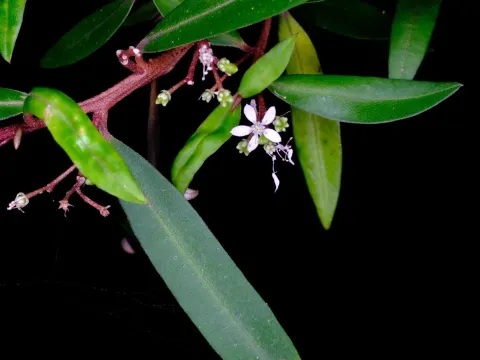
Nematolepis
Nematolepis
Nematolepis is a distinctive genus within the Rutaceae family, primarily native to southeastern Australia. These plants are known for their aromatic foliage and elegant, evergreen structure, making them a subject of interest for specialized horticulture.
What the section contains

Nematolepis
For successful growth, Nematolepis requires well-drained, acidic soil that mimics its natural habitat conditions. Incorporating organic matter into the planting site is essential for nutrient availability and long-term plant health.
Climate preferences for this plant focus on temperate environments with high humidity and mild winters. It does not tolerate prolonged exposure to frost or scorching heat, necessitating protected cultivation in regions with extreme weather patterns.
Agricultural management involves meticulous irrigation practices. The soil must remain consistently moist but never waterlogged, as the root system of Nematolepis is particularly susceptible to suffocation and decay.
The primary use of Nematolepis is in ornamental landscaping and botanical collections. Its leaves are rich in essential oils, which contribute to its pleasant fragrance and potential for extract production in experimental perfumery.
The most significant threat to Nematolepis is root rot caused by Phytophthora species, often promoted by poor drainage or excessive watering. Once root infection begins, it is often difficult to treat effectively.
Pests such as scale insects and spider mites are frequent invaders of the foliage. These pests thrive in dry indoor conditions and can cause significant damage to the leaf structure if left unmonitored.
Fungal leaf spots can occur when air circulation is inadequate, leading to persistent moisture on the leaf surfaces. Improving ventilation is the most effective cultural method to prevent such outbreaks.
Nutrient imbalances, particularly iron deficiency, are common in soils with improper pH levels. This results in chlorosis, where leaves turn yellow while veins remain green, signaling a need for chelated micronutrients.
Regular monitoring of plant health is vital. Early detection of any browning on leaf tips often indicates environmental stress or the initial stage of salt accumulation in the soil, which should be corrected by leaching.