
Boronia subulifolia
Boronia subulifolia
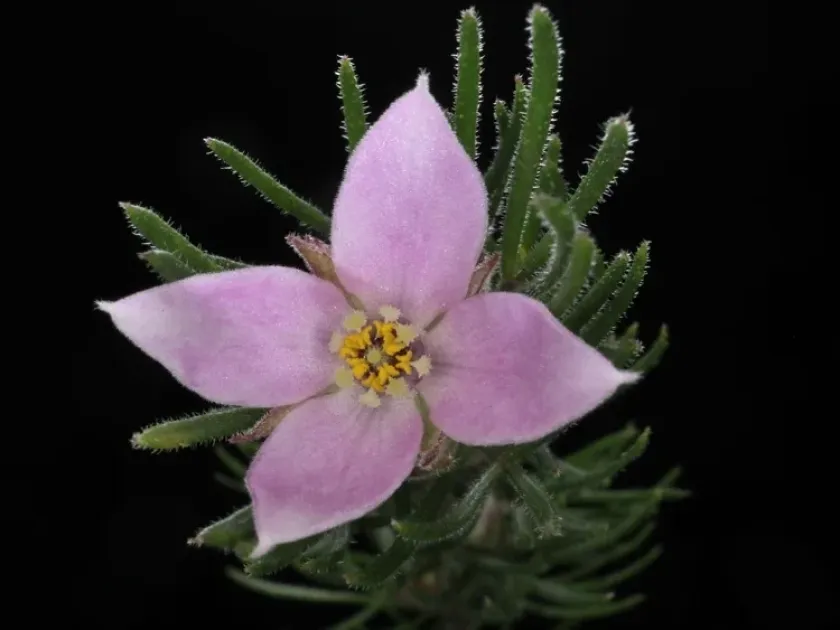
Description
Growing requirements
Boronia subulifolia is a distinct evergreen shrub belonging to the Rutaceae family. Native to the cool temperate regions of Tasmania, this plant is recognized for its unique, needle-like foliage and charming aesthetic appeal.
The cultivation of this species requires well-drained, acidic soil conditions. In its natural habitat, it thrives in rocky or sandy heathlands, so mimicking these conditions in a garden or container setting is essential for plant health.
This shrub prefers a climate with moderate temperatures and does not tolerate extreme heat or prolonged drought. Providing a sheltered location with dappled sunlight is ideal, as direct exposure to scorching sun can damage the delicate plant tissue.
Watering requirements are strict: the plant needs consistent moisture but must never be allowed to sit in waterlogged soil. Proper drainage is the most critical factor in preventing root rot, which is the primary cause of mortality in cultivated specimens.
Nutritional needs are modest. As a member of the Rutaceae family, it is sensitive to high levels of phosphorus. Using slow-release fertilizers specifically formulated for native or phosphorus-sensitive plants is recommended to promote steady growth.
Main diseases and pests
The most common health issues for Boronia subulifolia are related to fungal pathogens, particularly Phytophthora, which thrives in wet and poorly aerated soils. Ensuring optimal aeration of the root zone is the best preventative measure.
Pests such as spider mites and mealybugs can infest the plant, especially in indoor or greenhouse environments. These pests thrive in dry conditions and can cause significant damage to the foliage if left unchecked for long periods.
Aphids occasionally target the tender growth and developing flower buds, weakening the plant's vigor. Manual removal or the use of gentle horticultural soaps is typically effective for controlling minor infestations before they spread.
Environmental stress, such as sudden fluctuations in temperature or improper repotting, can make the plant more susceptible to opportunistic infections. Boronia subulifolia has a delicate root system that should be disturbed as little as possible.
Maintaining a clean and hygienic growing environment is essential. Regularly pruning away dead or decaying branches helps improve air circulation and significantly reduces the risk of fungal outbreaks within the dense foliage.