
Boenninghausenia
Boenninghausenia
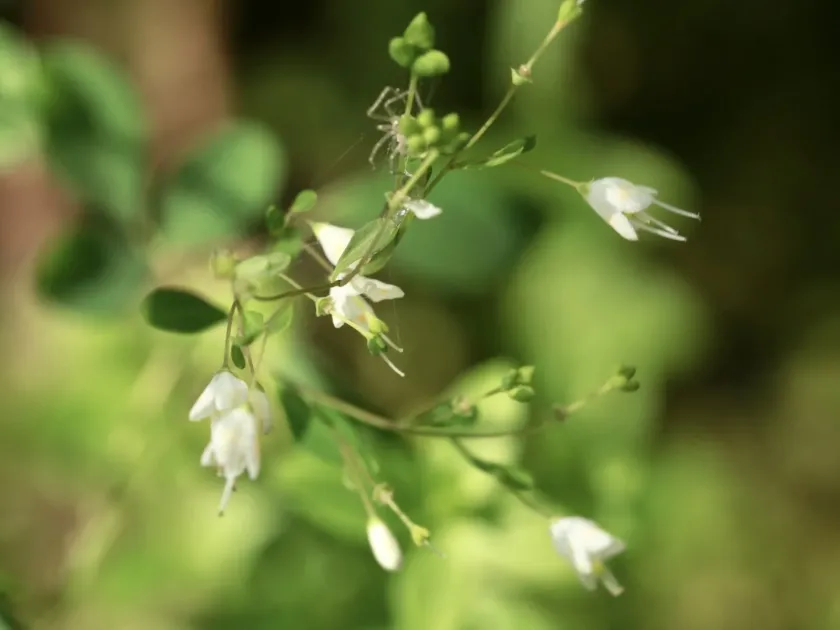
Description
Growing requirements
Boenninghausenia requires well-drained, fertile soil with a neutral pH to thrive. It performs best in partial shade, as intense direct sunlight can scorch the delicate foliage during the peak of summer, especially in warmer climate zones.
Water management is critical for this species. While it appreciates consistent moisture during the growing season, it is highly sensitive to waterlogged conditions, which can quickly lead to root decay and overall plant decline.
The plant adapts well to moderate temperatures ranging from 15°C to 25°C. In regions with harsh winters, providing a thick layer of organic mulch around the base is essential to protect the root crown from freezing temperatures.
Proper airflow is necessary to maintain the plant's health. Planting in exposed locations with strong, drying winds should be avoided, as this may lead to excessive moisture loss and stunted growth of the herbaceous stems.
Nutrient requirements are modest. An application of balanced organic compost during the early spring is usually sufficient to support vigorous growth. Excessive fertilization should be avoided to preserve the plant's natural essential oil profile.
Yield
The harvest of Boenninghausenia is primarily focused on the aerial parts, specifically the leaves and flowering tops, which are utilized for their aromatic and medicinal properties. Harvesting typically occurs once the plant reaches its full vegetative maturity.
For optimal quality of essential oils, the harvest should be carried out on a dry day, preferably in the morning after the dew has evaporated. This ensures the concentration of bioactive compounds is at its peak.
Traditional methods involve cutting the stems a few inches above the ground level. This practice encourages the plant to regenerate, potentially allowing for a second harvest later in the season if climate conditions remain favourable.
Post-harvest handling requires immediate drying in a shaded, well-ventilated area. Rapid drying helps preserve the colour and chemical integrity of the plant, preventing the oxidation of volatile oils.
Yield varies based on the age of the plant and the intensity of cultivation practices. Established, three-year-old clumps generally provide the highest biomass yield, making them the most productive for commercial or home use.
Main diseases and pests
Fungal pathogens, particularly those causing damping-off, represent the primary threat to Boenninghausenia seedlings. Maintaining sterile conditions during the germination phase is a crucial preventative measure against these soil-borne diseases.
Root rot, driven by poor soil drainage, remains the most frequent reason for crop loss. Ensuring that the site is elevated or properly amended with grit can significantly reduce the risk of mortality in established plants.
While the plant's strong scent provides some natural resistance to pests, aphids can occasionally infest the growing tips during periods of high humidity. Regular inspections allow for early detection and manual removal or application of soft soaps.
Leaf-eating insects can cause cosmetic damage, but rarely pose a systemic threat to the plant's health. Integrated pest management strategies, such as attracting beneficial insects, are encouraged over the use of harsh chemical pesticides.
Virus infections transmitted by sucking insects are possible but uncommon. Any plants displaying signs of mosaic patterns or leaf curling should be carefully removed and destroyed to prevent the spread of the virus to healthy neighbours.