
Pink Boronia
Boronia serrulata
Description
Growing requirements
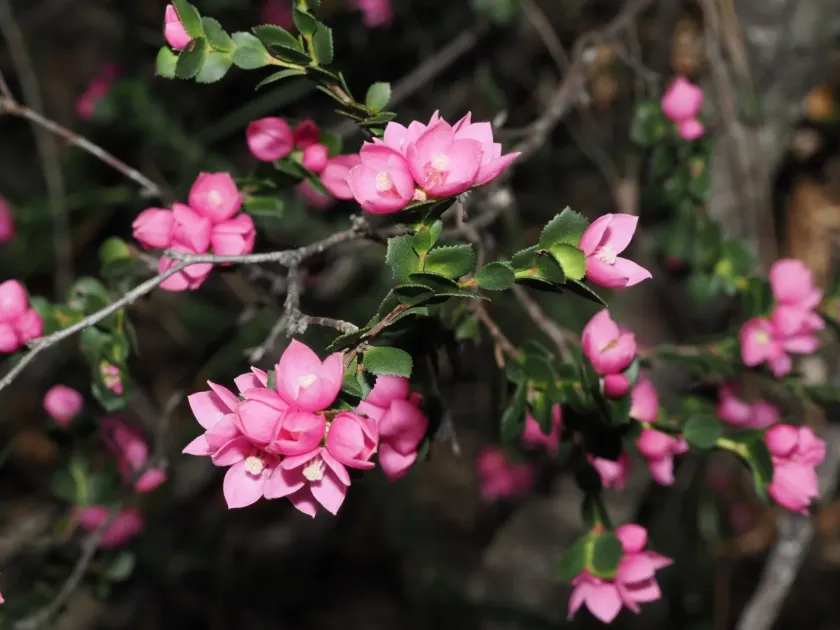
Boronia serrulata, commonly known as pink boronia, is a woody shrub belonging to the Rutaceae family. It is an Australian native species famously recognized for its vibrant, star-shaped pink flowers and aromatic, serrated leaves.
The plant naturally inhabits sandy, acidic heathlands in New South Wales. These environments are characterized by high drainage and low nutrient content, which defines the specific physiological requirements of the plant in cultivation.
To successfully grow pink boronia, one must prioritize an exceptionally well-draining soil mix. Standard garden soil is usually too dense; therefore, a mixture of sand, perlite, and peat is recommended to mimic its natural sandy habitat.
Regarding climate, this species prefers cool to moderate temperatures and high atmospheric humidity. It performs best in partial shade, as intense direct sun can scorch the delicate foliage and inhibit proper floral development.
In ornamental horticulture, Boronia serrulata is utilized for its exceptional scent and decorative value. It is widely considered a challenging plant to maintain, making it a popular subject for skilled gardeners and botanical garden enthusiasts.
Main diseases and pests
The most significant threat to Boronia serrulata is root system degradation caused by excessive irrigation. Once the roots are compromised by waterlogging, the plant is highly prone to opportunistic soil-borne pathogens and fungi.
Pests such as spider mites and scale insects are frequently encountered during indoor or greenhouse cultivation. They thrive in dry, stagnant air conditions and can quickly colonize the plant, leading to significant leaf drop and reduced vitality.
Control measures should rely on non-invasive techniques. Frequent air circulation and monitoring moisture levels are the most effective preventative strategies against these pests and diseases in a controlled environment.
Fertilization must be handled with extreme caution, as the species is highly sensitive to phosphorus. Excess nutrients can rapidly lead to toxicity and leaf burn, which weakens the plant's overall resilience to common nursery pests.
Maintenance pruning is essential for longevity. By removing spent blossoms and ensuring that the shrub structure remains airy, growers can significantly reduce the risk of mold and bacterial infections in the dense canopy.