
Boenninghausenia japonica
Boenninghausenia japonica
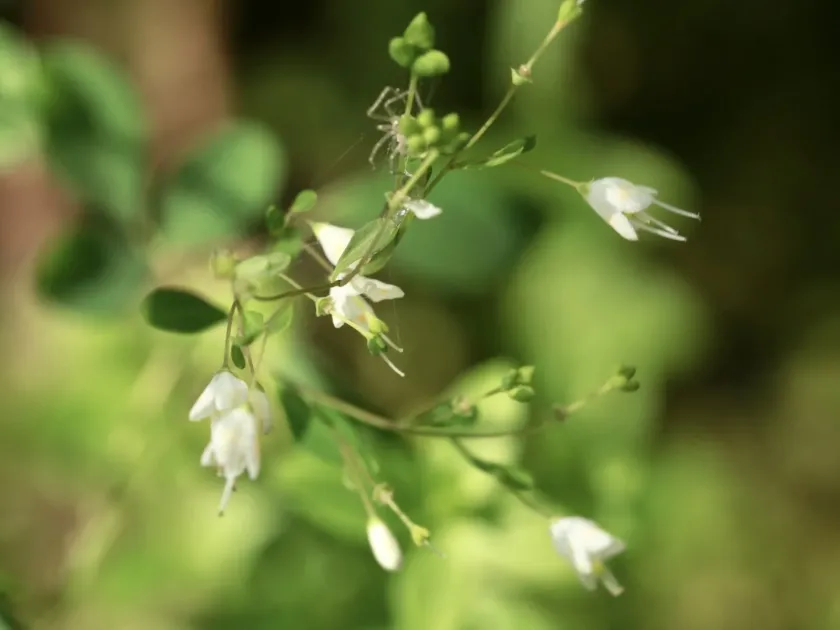
Description
Growing requirements
Boenninghausenia japonica is a perennial herbaceous plant belonging to the Rutaceae family. It is native to the mountainous regions of East Asia, including Japan, China, and parts of the Korean Peninsula, where it thrives in shaded forest understories.
The crop requires well-drained, humus-rich soil to reach optimal growth. It is highly sensitive to soil compaction and waterlogging, which often leads to root rot, necessitating the use of light, airy soil mixtures in both open fields and container cultivation.
Climate-wise, the plant prefers cool to temperate conditions. It flourishes in partial shade, as direct, harsh sunlight can damage the leaves. During the growing season, consistent moisture is essential, though it must be balanced to avoid saturated soil.
Agronomic management involves regular monitoring of soil moisture and nutrient levels. Organic fertilization is recommended to maintain soil structure and support the production of essential oils for which the species is known in pharmacological applications.
Beyond its traditional medical uses, Boenninghausenia japonica serves as a decorative plant in specialized gardens. Its fine, compound foliage provides a sophisticated texture, making it a valuable addition to rock gardens or shaded woodland borders.
Main diseases and pests
Typical plant health issues include fungal pathogens such as leaf spot and powdery mildew. These are primarily triggered by high humidity combined with poor airflow, which can be mitigated by proper spacing and thinning of the foliage.
Common pests include aphids and spider mites, which can infest the plant during dry spells. IPM (Integrated Pest Management) techniques, including the use of neem oil or soft soap, are effective in controlling these pests without damaging the sensitive leaf structure.