
Boenninghausenia albiflora
Boenninghausenia albiflora
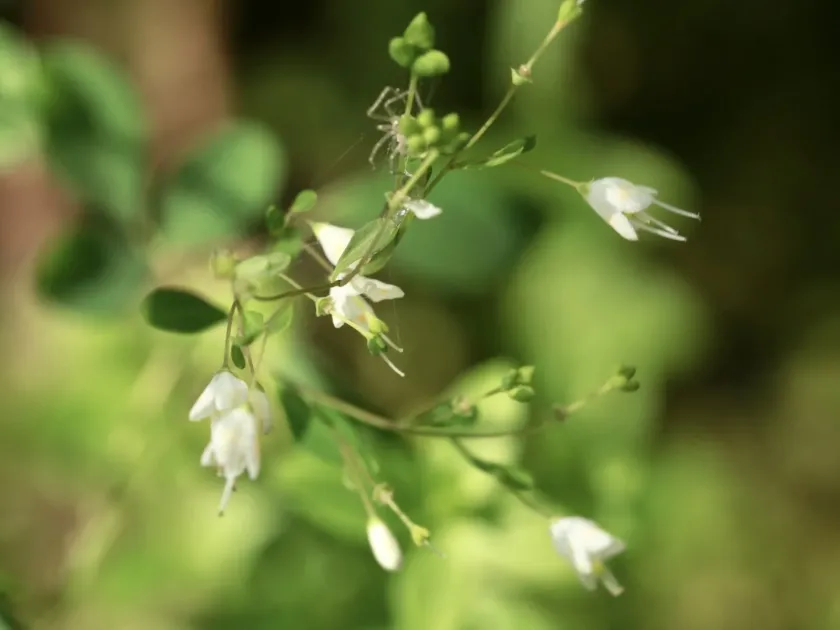
Description
Growing requirements
Boenninghausenia albiflora is a perennial herbaceous plant belonging to the Rutaceae family. Native to the mountainous regions of Asia, including China and Japan, it has evolved in sheltered forest environments.
Successful cultivation requires soil that is rich in organic matter and possesses excellent drainage. Heavy clay soils that retain moisture are generally unsuitable, as the plant is prone to root suffocation.
The plant thrives in partial shade conditions. Providing protection from intense midday sun is critical to prevent foliage dehydration and ensure the proper synthesis of its essential oil components.
Regarding climate, it prefers cool to moderate temperatures. It is not cold-hardy in severe climates, so it may require protective measures or indoor cultivation in regions with harsh winter conditions.
Economic and agricultural utility is primarily linked to its application in traditional medicine. The plant is valued for its anti-inflammatory properties, which necessitates careful harvesting and processing techniques to maintain chemical integrity.
Main diseases and pests
Root rot represents the most significant threat to the crop, triggered by overwatering or poor site drainage. Once established, this fungal issue is difficult to reverse and requires immediate isolation of affected plants.
Powdery mildew often attacks the plants during periods of high humidity and stagnant air. Proper spacing between rows is essential to promote good airflow and minimize the risk of spore colonization.
Spider mites and aphids are common pests that thrive in dry environments. They sap nutrients from the leaves, leading to stunted growth and reduced yields in commercial production settings.
Integrated pest management strategies should emphasize sanitation and the use of botanical extracts for control. Manual weeding is recommended over herbicide application to ensure the purity of the final product.
Monitoring for signs of nutrient deficiency or stress is crucial, as weakened plants are more susceptible to secondary infections. Maintaining soil vitality through organic fertilization can significantly boost plant resilience.