
Soft boronia
Boronia mollis
Description
Growing requirements
Soft boronia (Boronia mollis) is a charming evergreen shrub that belongs to the Rutaceae family. Native to Australia, this plant is highly valued for its aromatic qualities and the aesthetic appeal of its delicate, four-petaled flowers which bloom profusely.
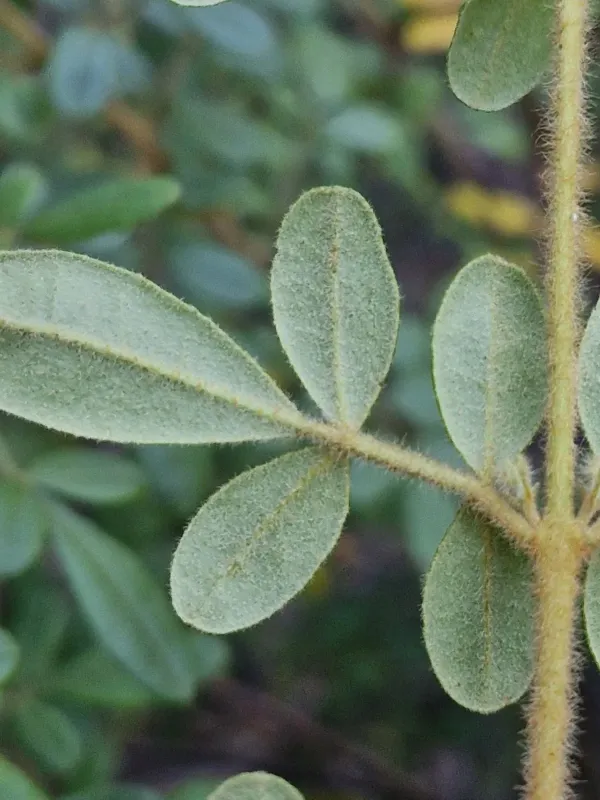
From a botanical standpoint, Boronia mollis is known for its distinct foliage and sensitivity to environmental changes. It typically grows as a dense, woody shrub in its natural habitat, requiring specific light conditions to maintain its compact and healthy growth habit.
The plant demands well-drained, acidic soil to thrive. In cultivation, it is essential to ensure that the potting mix or garden soil is porous enough to prevent waterlogging, as the root system is highly susceptible to decay in saturated conditions.
Regarding light requirements, soft boronia prefers bright, indirect sunlight. While it appreciates high light levels, exposure to intense direct afternoon sun can cause leaf scorch, particularly in container-grown specimens or in warmer climatic zones.
Maintaining a stable environment is key for Boronia mollis. It performs best in mild climates with moderate humidity levels. In regions with harsh winters, it is strictly managed as a greenhouse or indoor plant to protect it from freezing temperatures and desiccating winds.
Main diseases and pests
The primary threats to Boronia mollis are fungal infections, particularly root rot, which are often exacerbated by poor soil drainage and overwatering. Maintaining optimal aeration around the roots is a fundamental aspect of preventive agronomy for this species.
Common pests include spider mites and mealybugs, which thrive in indoor environments with low humidity. Regular monitoring of the foliage and implementing early integrated pest management strategies are crucial for maintaining the plant's structural integrity and decorative value.