
Atalantia citroides
Atalantia citroides
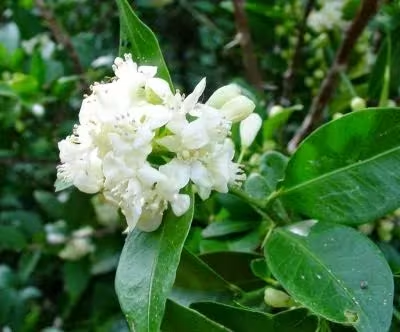
Description
Growing requirements
Atalantia citroides is a fascinating species belonging to the Rutaceae family, known for its citrus-like characteristics and compact growth habit. As a woody shrub or small tree, it is often utilized in botanical collections and as a unique decorative specimen.
The plant originates from the tropical forests of Southeast Asia, where it thrives in warm and humid environments. Due to its tropical origins, it requires protection from freezing temperatures, making it unsuitable for outdoor cultivation in temperate regions.
Soil requirements for this species focus on drainage and organic composition. A well-aerated potting mix that allows for rapid water passage is essential, as the roots are highly sensitive to waterlogging, which often leads to rapid decline.
Climate needs are centered around steady temperatures and consistent high humidity levels. In indoor or greenhouse settings, providing adequate ventilation while maintaining moisture levels around the foliage is critical for the long-term health of the plant.
Maintenance involves periodic pruning to manage size and shape, as well as a consistent fertilization regimen during the growing season. Using fertilizers formulated for citrus or acid-loving plants can help maintain deep green foliage and robust health.
Main diseases and pests
Scale insects are among the most persistent pests for Atalantia citroides. They attach to twigs and leaf undersides, drawing sap and weakening the plant. Regular monitoring and manual removal or the application of horticultural oils are standard control measures.
Spider mites can become a major threat during low humidity periods. They cause yellowing and stippling of leaves. Increasing local humidity and applying targeted miticides help manage infestations before they cause significant defoliation.
Root rot caused by Phytophthora or other fungi is a common threat in poorly drained pots. Preventing these infections requires strict attention to the watering schedule and ensuring that the pot has ample drainage holes.
Sooty mold can develop on the foliage as a secondary result of honeydew-producing pests like whiteflies or scale. Cleaning the leaves and managing the underlying insect population is the most effective way to eliminate this unsightly issue.
Nutritional deficiencies often manifest as chlorosis between leaf veins. Using iron chelate supplements or balanced trace-element fertilizers can resolve these issues, provided the root system remains healthy and active.