
Atalantia monophylla
Atalantia monophylla
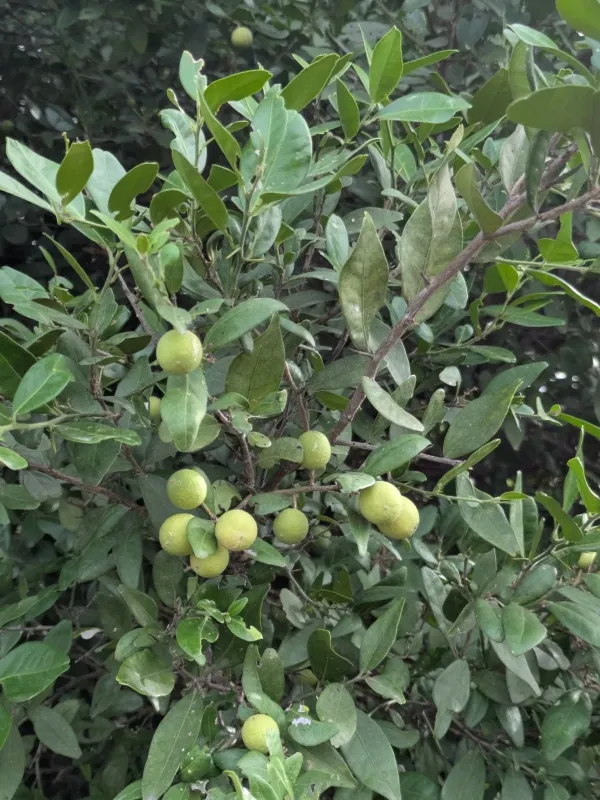
Description
Growing requirements
Atalantia monophylla is a perennial evergreen shrub or small tree belonging to the Rutaceae family. This species is taxonomically close to the genus Citrus, sharing many morphological characteristics, including glands in the leaves that produce fragrant essential oils.
The natural habitat of this plant includes the tropical forests of India, Sri Lanka, and Southeast Asia. It thrives in humid tropical environments and requires a warm climate, as it is extremely sensitive to frost and sudden temperature drops below 15 degrees Celsius.
For successful cultivation, the plant requires well-draining, nutrient-rich soil with a slightly acidic to neutral pH. It is crucial to ensure that the substrate remains moist but never waterlogged to prevent root health issues.
Light requirements are significant; the plant prefers bright, indirect sunlight. Prolonged exposure to intense direct sun in extremely hot climates may cause leaf scorch, while shade can lead to leggy, unproductive growth.
The economic value of this culture lies primarily in its phytochemical properties. Its leaves and fruits are utilized in traditional medicine for their anti-inflammatory and antiseptic effects, and the wood is sometimes used for small crafts due to its density.
Main diseases and pests
The most common pests affecting Atalantia monophylla are scale insects (Coccidae), which cluster on stems and leaf veins. These insects weaken the plant by extracting essential nutrients, requiring prompt intervention with horticultural oils or insecticides.
Spider mites are prevalent in environments with low air humidity. Infestations are typically marked by fine webbing and yellowing leaves; increasing humidity or using specialized miticides are effective control measures.
Root rot is the most serious fungal threat to this species. It is usually caused by poor soil drainage combined with excessive irrigation. Proper soil management is the primary preventative measure against these soil-borne pathogens.
Leaf spot diseases caused by various fungi can occur during periods of prolonged rainfall or high humidity. Maintaining good air circulation within the plant canopy helps significantly in preventing the spread of these infections.
Regular inspection and proactive maintenance of plant hygiene are essential to keep the shrub resilient. By avoiding stress factors like overwatering or nutrient deficiency, the plant's natural defense systems remain robust against most common threats.