
Atalantia buxifolia
Atalantia buxifolia
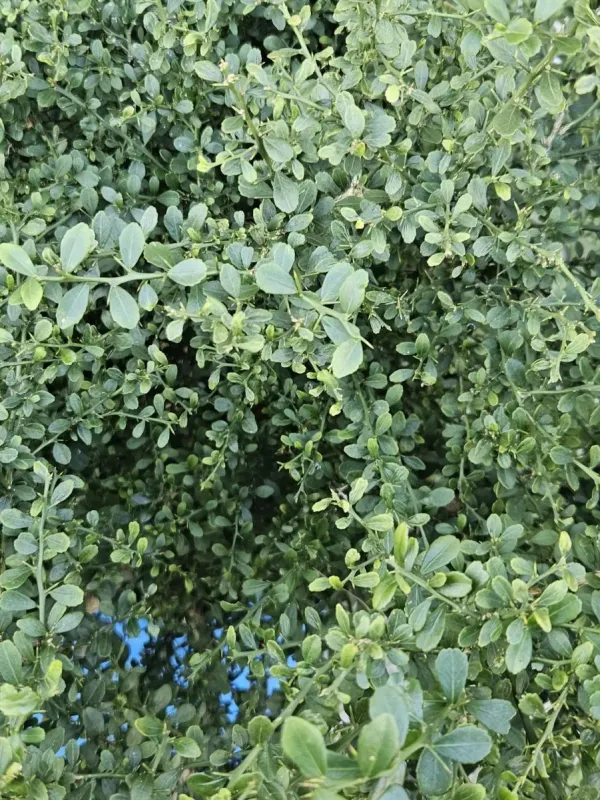
Description
Sowing dates
Atalantia buxifolia, a member of the Rutaceae family, is typically propagated through seeds or semi-hardwood cuttings. Sowing should be carried out in early spring to take advantage of increasing daylight and rising temperatures, which stimulate seed germination.
The seeds require a lightweight, well-draining medium composed of peat moss and perlite. Keeping the soil consistently moist but not waterlogged is essential for the successful emergence of seedlings within the first few weeks.
Cuttings are obtained during the summer months from current-year growth. After dipping the base in rooting hormone, the cuttings are placed in a humid environment, often protected by plastic to maintain high atmospheric humidity.
Once the root systems have developed, the young plants are transplanted into larger pots. Careful handling of the root ball is necessary to prevent transplant shock, which can delay the development of this slow-growing shrub.
The hardening-off process is vital for plants moved from an indoor propagation environment to outdoor conditions. Gradual exposure to sunlight and ventilation prepares the plant for a robust growing season.
Growing requirements
As a native of tropical and subtropical regions of Asia, Atalantia buxifolia thrives in bright, indirect light. While it can handle some direct sun, providing partial shade during the hottest afternoon hours prevents leaf scorch.
The soil should be fertile, slightly acidic, and possess excellent drainage capabilities. A mixture designed for citrus plants or container-grown shrubs is usually ideal, ensuring water does not pool around the root zone.
Watering practices must be balanced according to the season. During the active growth phase, keep the soil uniformly moist; however, allow the top few centimeters of soil to dry out during the winter dormancy period.
Temperature management is key, as this plant is sensitive to frost. It prefers consistent temperatures between 18 and 28 degrees Celsius, making it suitable for greenhouses or indoor cultivation in cooler climates.
Fertilization with a balanced, slow-release fertilizer or specialized citrus food ensures consistent nutrient availability. Monitoring for signs of nutrient deficiencies, such as yellowing leaves, helps maintain plant vigor throughout the year.
Main diseases and pests
Scale insects are common pests that attach themselves to stems and leaves, extracting plant sap. Removing them manually or using horticultural oils is effective for managing minor infestations before they become widespread.
Spider mites can be problematic in dry, indoor environments, causing speckled leaves and webs. Regularly misting the foliage and increasing ambient humidity helps deter these pests from colonizing the shrub.
Root rot is often the result of overly wet conditions or poor soil structure. If the plant shows signs of wilting or leaf drop, inspecting the root system for decay is necessary to rescue the plant through repotting.
Fungal leaf spots can occur if the foliage remains wet for extended periods or if air circulation is insufficient. Pruning to improve the structural density of the canopy allows for better airflow and reduces fungal risks.
Mealybugs may occasionally hide in the crevices of the branches. Regular monitoring and quick application of insecticidal soap or neem oil are usually sufficient to control outbreaks and maintain plant health.