
Atalantia racemosa
Atalantia racemosa
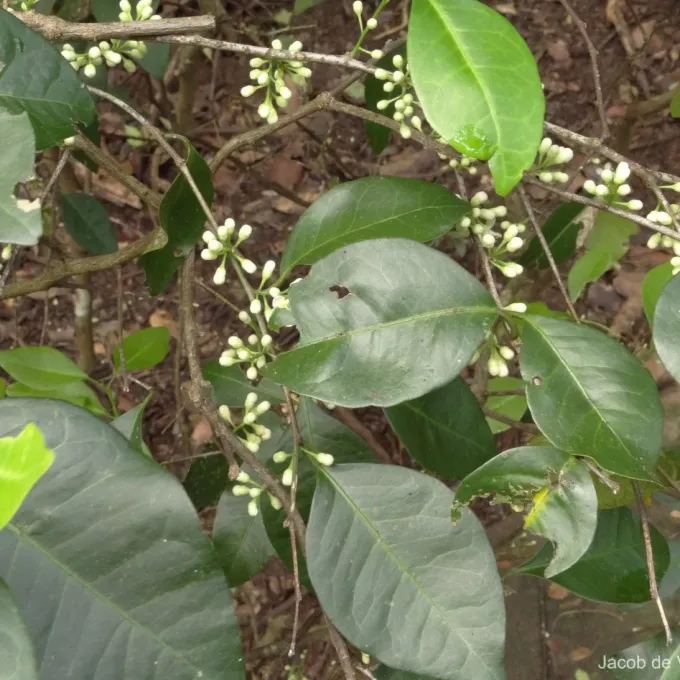
Description
Sowing dates
Atalantia racemosa is a woody perennial plant belonging to the Rutaceae family. Propagation is primarily performed through seeds, which must be sown fresh, or via grafting onto compatible citrus rootstocks for faster maturation.
Seeds should be planted in a well-draining, sterile substrate. Maintaining a consistent temperature between 22 and 25 degrees Celsius is crucial for high germination rates.
For vegetative propagation, semi-hardwood cuttings are utilized. These are treated with rooting hormones to ensure successful development and are placed in environments with high humidity.
Transplanting young seedlings into the field or large containers is best performed during the spring season to allow the root system to establish before extreme weather conditions occur.
Proper spacing is vital for the health of the orchard, ensuring that each tree receives adequate sunlight and ventilation, which are critical for preventing disease outbreaks.
Growing requirements
This culture thrives in tropical and subtropical climates. It is sensitive to frost and requires protection if temperatures drop near the freezing point, as low temperatures can cause severe damage to leaf tissue.
A fertile, well-draining soil is essential. Atalantia racemosa does not tolerate waterlogging, which often leads to root rot, so careful attention must be paid to soil composition and water management.
Full sun to partial shade is the preferred light condition. While the plant appreciates sunlight, young saplings may require some protection from harsh midday sun in extremely hot regions.
Consistent moisture is required during the growing season. Irrigation should be adjusted based on local weather conditions, with decreased frequency during the cooler months to prevent fungal issues.
Nutrient requirements include a balanced fertilization program rich in micronutrients such as iron and magnesium, which are necessary for maintaining deep green foliage and vigorous growth.
Main diseases and pests
Typical pests affecting Atalantia racemosa include spider mites, scale insects, and aphids. These pests often congregate on the undersides of leaves or on young, tender shoots.
Fungal diseases, including root rot and leaf spots, are primarily caused by poor air circulation or over-saturation of the soil. Improving drainage is the most effective preventative measure.
Regular monitoring of the foliage and stems is recommended to detect any signs of infestation early. Manual removal of small pest populations is often sufficient for minor outbreaks.
For more severe cases, biological control agents or targeted horticultural oils can be used to manage populations without damaging the plant or harming beneficial insects.
Sanitary pruning should be performed to remove dead or diseased branches, ensuring the overall structure of the tree remains healthy and resistant to opportunistic infections.