
Atalantia ceylanica
Atalantia ceylanica
Description
Growing requirements
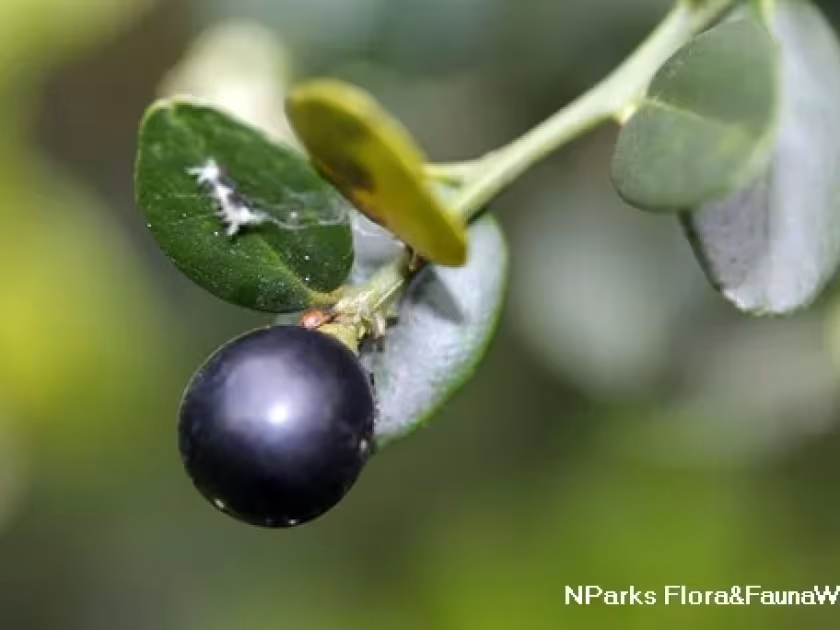
Atalantia ceylanica is a distinct evergreen species within the Rutaceae family, closely related to the genus Citrus. It is a slow-growing shrub or small tree native to the tropical forests of Sri Lanka.
The plant thrives in a tropical climate characterized by high humidity and consistent warmth. It does not tolerate frost and requires a stable, frost-free environment to maintain its health and physiological functions.
Regarding soil requirements, it prefers fertile, well-draining substrates with a slightly acidic to neutral pH. Proper soil aeration is crucial to prevent the onset of root-related diseases often caused by waterlogging.
Cultivation practices involve regular irrigation to maintain soil moisture, especially during the dry season, and occasional fertilization with balanced nutrients to support foliage density.
Its primary agricultural use is as an ornamental plant or as a rootstock for grafting citrus varieties, utilizing its hardy nature to improve the resilience of sensitive commercial cultivars.
Main diseases and pests
The plant is susceptible to common citrus pests, including scale insects, aphids, and whiteflies, which can lead to sooty mold growth on the leaves due to honeydew secretion.
Root rot caused by Phytophthora species is a significant threat in areas with poor drainage or over-irrigation, potentially leading to the rapid decline of the specimen.
Leaf spot diseases, caused by various fungal pathogens, may occur during prolonged rainy seasons if air circulation around the canopy is restricted.
Integrated pest management is recommended, utilizing horticultural oils for soft-bodied insects and ensuring proper spacing between plants to reduce humidity pockets.
Monitoring for signs of nutrient deficiency or chlorosis is also essential, as these conditions can weaken the plant and increase its vulnerability to secondary infections.