
Round-leaved Atalantia
Atalantia rotundifolia
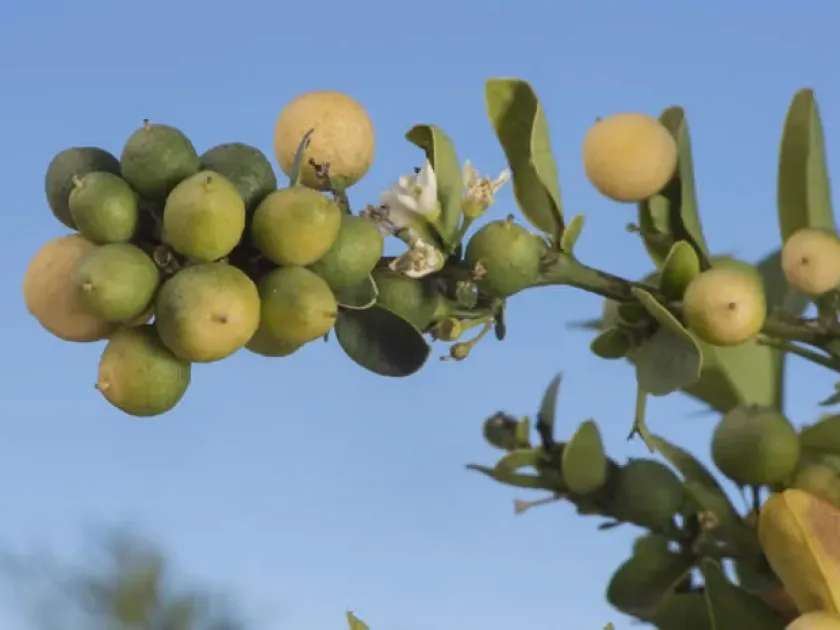
Description
Growing requirements
The Round-leaved Atalantia (Atalantia rotundifolia) is an evergreen shrub species belonging to the Rutaceae family. It is closely related to the citrus genus, sharing similar morphological characteristics such as glossy, aromatic, and leathery leaves.
Native to the tropical regions of Southeast Asia, this species thrives in humid forest understories. It requires consistent tropical warmth and does not tolerate frost or cold drafts, making it an ideal candidate for greenhouse cultivation.
The plant demands a well-draining, slightly acidic, and nutrient-rich growing medium. It is essential to prevent water stagnation in the root zone, as the species is sensitive to root rot when kept in consistently saturated soil.
Regarding light conditions, Atalantia prefers bright but indirect light. Exposure to intense mid-day sun can result in leaf scorching, so placing the plant near an east-facing window or under light canopy shade is recommended.
Ornamental use is the primary application for this plant. Its slow growth rate and attractive foliage make it a popular subject for indoor bonsai enthusiasts and conservatory gardeners seeking rare botanical specimens.
Main diseases and pests
Scale insects are the most common pests found on Atalantia rotundifolia. They often cluster along the stems and undersides of leaves, requiring mechanical removal or systemic insecticide treatment to manage.
Spider mites are a persistent threat, particularly in dry indoor environments with poor air circulation. Increasing ambient humidity and periodic misting are essential practices to discourage mite outbreaks.
Fungal leaf spot diseases may appear if there is poor airflow around the foliage. Ensuring adequate space between plants and avoiding water accumulation on the leaves during irrigation reduces these risks.
Nutrient deficiencies, particularly manifesting as iron chlorosis, can occur if the soil pH becomes too alkaline. Periodic application of balanced liquid fertilizers with micronutrients is necessary to maintain foliage health.
Overall plant health is best maintained through consistent monitoring. Regular inspection of the leaf axils and stems allows for the early detection of pests before they spread to other parts of the plant collection.