
Atalantia roxburghiana
Atalantia roxburghiana
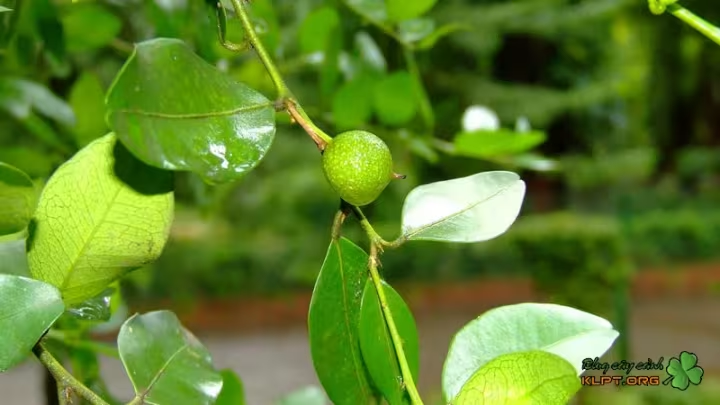
Description
Growing requirements
Atalantia roxburghiana is a member of the Rutaceae family, recognized for its botanical connection to citrus fruits. This evergreen shrub or small tree is native to the tropical regions of Southeast Asia, thriving in warm and humid environments typical of its natural forest habitats.
The plant requires a stable tropical climate with minimal temperature fluctuations. It is sensitive to frost and cold drafts, meaning that successful cultivation is strictly limited to frost-free regions or controlled environments such as greenhouses.
Regarding soil conditions, this species performs best in well-draining, nutrient-rich soils with a slightly acidic profile. Achieving a balance between moisture retention and aeration is essential to prevent root asphyxiation, which the species is particularly susceptible to.
Light exposure is a critical factor for the healthy development of its dense, dark green canopy. While the plant appreciates direct morning light, protection from intense mid-day sun is recommended in younger specimens to prevent leaf scorch and dehydration.
Agricultural management involves regular maintenance, including balanced irrigation and seasonal fertilization. Using nitrogen-rich fertilizers during the early growing season encourages lush growth, while reduced watering in the dormant phase supports general plant health.
Main diseases and pests
Atalantia roxburghiana faces common pests found in Rutaceae, such as scale insects. These pests attach to stems and leaves, extracting vital sap and causing a noticeable decline in the vigor of the plant over time.
Spider mites represent a major concern during dry periods or in indoor cultivation. Infestations lead to stippled leaves and eventual defoliation, requiring prompt intervention with miticides or increased humidity levels.
Fungal pathogens like anthracnose are prevalent when moisture levels remain high without proper ventilation. Ensuring good airflow within the canopy through selective pruning is the most effective cultural method to prevent such outbreaks.
Root rot remains the most significant threat to the survival of the plant. Over-irrigation, especially in heavy clay-based soils, promotes the growth of water-borne pathogens that destroy the root hair system rapidly.
Integrated pest management (IPM) practices, including the use of horticultural oils and regular monitoring, are recommended for maintaining plant health. Early detection of symptoms significantly increases the success rate of remediation efforts.