
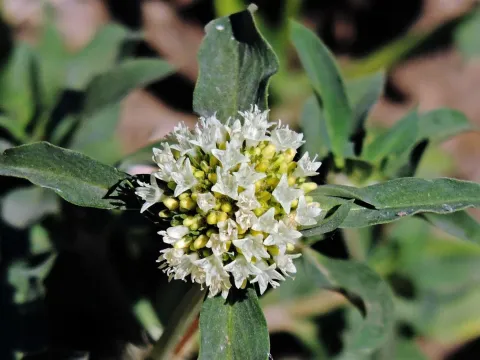
Spermacoce densiflora
Spermacoce densiflora
Spermacoce densiflora is a distinct herbaceous perennial plant that belongs to the extensive Rubiaceae family. Primarily native to the tropical regions of the Americas, this species has evolved to thrive in environments with consistent warmth and high levels of ambient moisture.
What the section contains
Spermacoce densiflora
The ideal soil conditions for this crop involve a well-draining, nutrient-rich substrate with a slightly acidic to neutral pH profile. Farmers should ensure that the land is prepared with adequate organic matter to support the plant's robust root system and prevent compaction which hinders growth.
This crop requires a tropical climate with temperatures ranging from 22°C to 30°C for optimal development. As a light-demanding species, it performs best in full sunlight, which encourages the development of dense clusters of flowers and increases the overall biomass yield.
Agronomic management practices focus on moisture control and soil aeration. Given the climate, irrigation should be carefully managed to avoid waterlogging, which is a major physiological stressor for the plant, while maintaining sufficient moisture levels during the peak growth phases.
In terms of practical usage, Spermacoce densiflora is studied for its medicinal properties and its utility in sustainable land management. Its ability to act as a ground cover makes it valuable for erosion control in agricultural settings where soil conservation is a priority.
The most significant threats to the crop include fungal infections such as powdery mildew and various leaf spot diseases. These are often exacerbated by high humidity levels, making proper plant spacing and airflow critical components of a successful integrated pest management strategy.
Insect pests, particularly aphids and spider mites, are known to target the foliage, causing significant vigor loss if left unchecked. Implementing biological controls and regular field monitoring is recommended to mitigate the impact of these pests on the total harvest yield.