
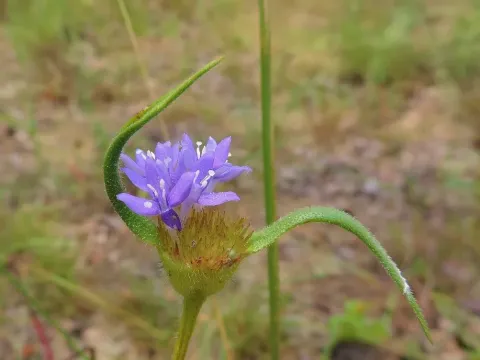
Spermacoce dibrachiata
Spermacoce dibrachiata
Spermacoce dibrachiata is a herbaceous member of the Rubiaceae family, known for its specific ecological niche within tropical and subtropical regions. The species is characterized by its adaptability to various soil types, provided that the drainage remains optimal throughout the growth cycle.
What the section contains
Spermacoce dibrachiata
Botanically, the plant features a distinct structure with opposite leaves and terminal or axillary inflorescences. Its morphological traits reflect an evolutionary strategy focused on efficient resource allocation in high-competition environments, making it a subject of botanical interest.
The crop requires soils with a balanced nutritional profile, ideally enriched with organic matter. Proper soil aeration is essential to prevent root asphyxiation, as the species is highly sensitive to waterlogged conditions that can trigger rapid root decay.
Climatic requirements are primarily centered around consistent thermal regimes. Sustained temperatures between 22 and 30 degrees Celsius are favorable for metabolic processes, while extremes in either direction can lead to growth stagnation or failure to reach the reproductive stage.
In terms of agricultural management, light intensity plays a crucial role in biomass accumulation. While the plant can tolerate partial shade, maximum yield potential is typically achieved under conditions of high solar radiation, which facilitates vigorous development and maturation.
Spermacoce dibrachiata is susceptible to various fungal pathogens, particularly in high-humidity environments. Root rot caused by species such as Pythium and Phytophthora often presents the greatest challenge to cultivation and can cause significant stand loss.
Pest pressure is frequently dominated by sap-sucking insects including aphids and mites. These pests not only damage tissues directly but also act as vectors for secondary pathogens, significantly complicating the management of a healthy crop.
Integrated Pest Management (IPM) strategies are highly recommended for this crop. This approach utilizes a combination of biological control agents and careful selection of pesticide application timing to maintain populations of beneficial insects while suppressing harmful ones.
Excessive humidity combined with high temperatures creates a microclimate conducive to downy mildew. Monitoring the foliage regularly is critical to detecting initial signs of the disease before it spreads throughout the entire crop area.
Ensuring proper plant spacing and sanitation practices significantly reduces the risk of pest and disease outbreaks. Removing plant debris from the fields minimizes the overwintering potential of various pests and fungal spores, promoting a cleaner production environment.