
Saprosma
Saprosma
Saprosma is a genus of evergreen shrubs and small trees belonging to the diverse Rubiaceae family. These plants are primarily native to the tropical and subtropical regions of Asia, including India, Indonesia, and Malaysia.
What the section contains

Saprosma
For optimal development, this crop requires a consistently warm climate without drastic temperature fluctuations. Plants prefer the high humidity typical of forest ecosystems and cannot tolerate direct sunlight, necessitating shading for healthy growth.
Soil requirements for Saprosma involve a loose, well-draining substrate rich in organic matter. A slightly acidic or neutral soil pH is considered ideal for supporting vigorous root system expansion and overall vitality.
In their natural habitat, Saprosma species occupy the understory of rainforests. In agricultural or greenhouse cultivation, it is essential to replicate these conditions by preventing soil dryness and ensuring constant air circulation.
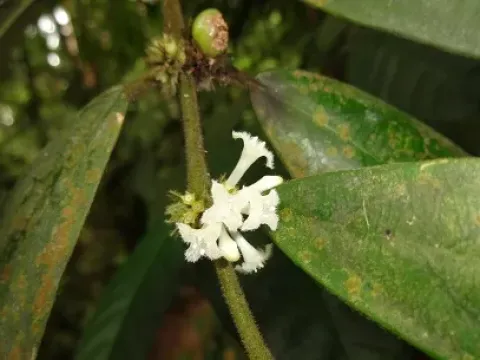
Botanically, the plant is characterized by leathery, often opposite leaves and small tubular flowers arranged in clusters. A notable trait of many species is a distinct, sometimes pungent odor, which is reflected in the genus name.
Like many Rubiaceae family members in tropical environments, Saprosma is susceptible to fungal diseases such as powdery mildew and root rot, which typically occur due to waterlogging in the root zone.
Among pests, sucking insects pose the greatest threat, particularly spider mites and scale insects that proliferate rapidly when air humidity levels are improperly managed in enclosed cultivation areas.
Disease prevention revolves around strict adherence to watering schedules and the provision of effective ventilation. The application of biological insecticides and fungicides is recommended at the first sign of infestation.
Monitoring the condition of leaf blades allows for the early detection of pest colonies. Regular cleaning of the foliage to remove dust also helps reduce the risk of pathogenic microflora development.
This crop demands precise agronomic management, as any deviation from the required tropical maintenance regime immediately impacts the plant's decorative value and general health.