
Pertusadina multifolia
Pertusadina multifolia
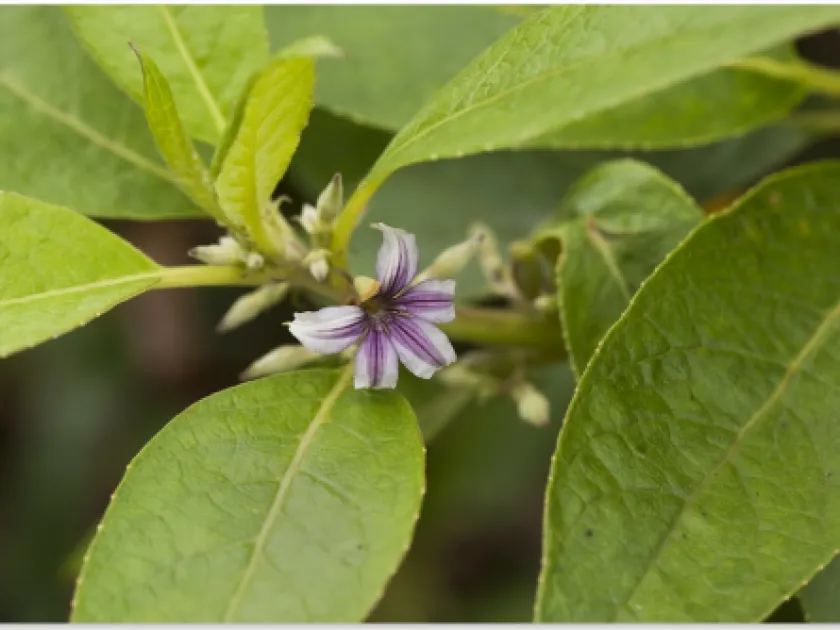
Description
Growing requirements
Pertusadina multifolia is a woody species belonging to the Rubiaceae family. This tropical plant is recognized for its ecological importance in forest ecosystems and its growing interest in sustainable agroforestry systems.
The climate requirements for this species include high ambient humidity and consistently warm temperatures, ideally between +24 and +28 degrees Celsius. Frost sensitivity is high, making it unsuitable for temperate regions without controlled environments.
Soil conditions must prioritize excellent drainage, as the species is highly susceptible to root decay if water stagnation occurs. Ideally, it thrives in rich, slightly acidic to neutral loam soils with ample organic matter.
Agronomic management involves careful light management, particularly in the early growth stages where shade is essential for seedling establishment. As the trees mature, they adapt to varying light levels but remain sensitive to extreme wind conditions.
Economically, the crop is utilized for its timber and biomass potential. Its wood is valued in specialized joinery due to its durability and aesthetic properties, serving as a sustainable alternative in regional markets.
Main diseases and pests
Pathogenic threats are primarily linked to fungal infections that thrive in high-humidity environments. Implementing strict hygiene practices and adequate plant spacing are essential strategies to mitigate the risk of disease spread within the crop.
Pest management focuses on protecting developing wood and leaves from local insect populations. Monitoring programs and integrated pest management (IPM) are recommended to maintain the long-term productivity and health of the stands.