
Oxyanthus latifolius
Oxyanthus latifolius
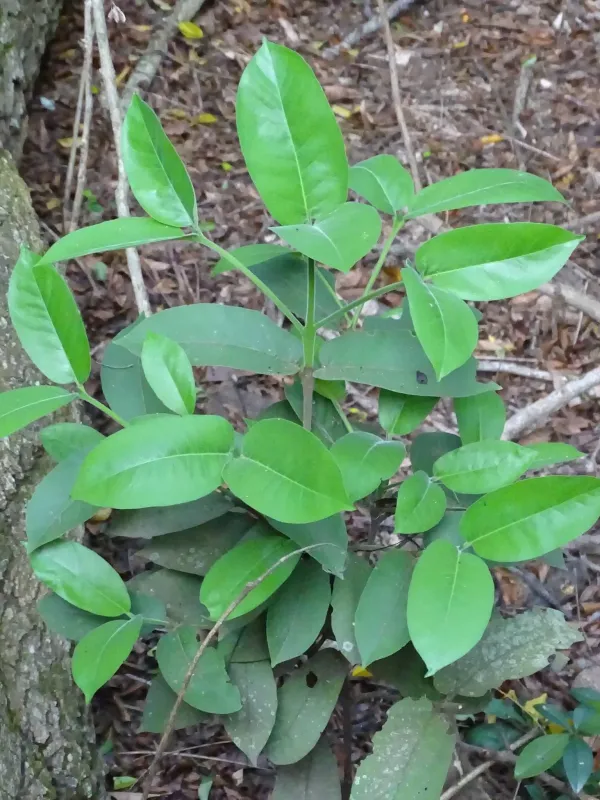
Description
Growing requirements
Oxyanthus latifolius is a member of the Rubiaceae family, widely known for its distribution in the tropical regions of Africa. This plant typically thrives in the understory of lush rainforests.
The cultural requirements are strictly linked to high humidity and stable temperatures. It requires a protected environment where it is shielded from harsh direct sunlight, which can damage the large, sensitive foliage.
Soil management involves providing a rich, organic-based substrate that is both fertile and well-draining. Water retention is important, but preventing waterlogging is critical to maintaining healthy root growth.
Agricultural techniques for this species prioritize a consistent microclimate. It is generally cultivated in botanical glasshouses or specialist nurseries where environmental variables can be closely monitored.
In terms of usage, the plant is primarily appreciated for its aesthetic value in botanical collections. While some species within the genus have localized historical uses, its commercial application remains niche compared to other tropical crops.
Main diseases and pests
The main pests affecting Oxyanthus latifolius include spider mites and mealybugs, which tend to flourish in environments with poor air circulation and low relative humidity levels.
Root rot is the most significant disease risk, usually resulting from inadequate drainage or excessive irrigation frequency. Over-watering is the primary cause of plant failure in artificial environments.
Fungal leaf spot diseases may appear if the foliage remains wet for extended periods. Promoting good airflow is a vital management strategy to prevent the development of these pathogens.
Nutrient deficiencies, particularly chlorosis, are common when the substrate pH is not properly maintained. Regular testing of the growing medium is recommended for optimal plant vigor.
Integrated pest management, including regular inspection and the use of natural predators, is the preferred approach for maintaining the health of this delicate tropical shrub.