
Oxyanthus speciosus
Oxyanthus speciosus
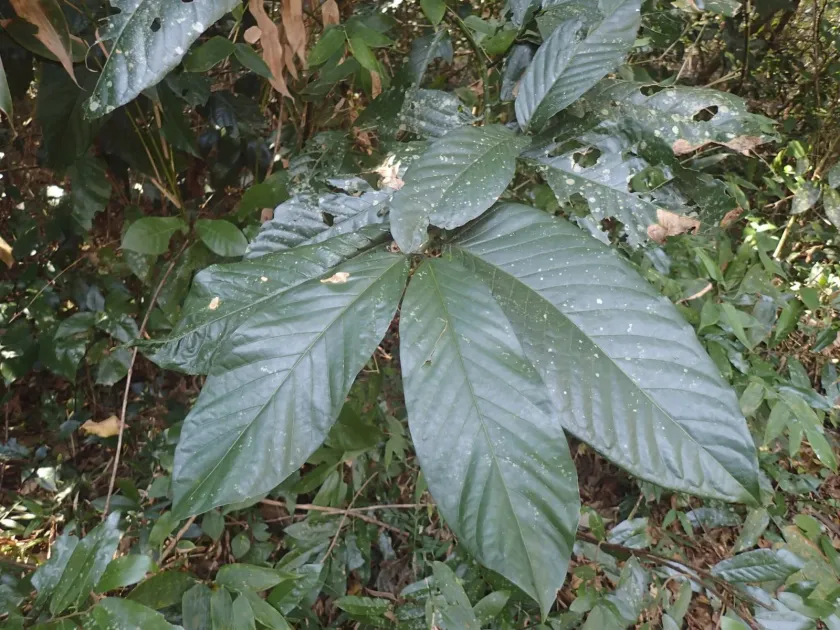
Description
Growing requirements
Oxyanthus speciosus, commonly known as the wild loquat or bush-lily, belongs to the Rubiaceae family. It is an evergreen shrub or small tree, which in its natural habitat can reach up to 7 meters in height, exhibiting a dense and attractive foliage.
Originating from tropical Africa, the plant is naturally adapted to moist, forest understory environments. Its growth is primarily influenced by the stability of its tropical climate, requiring warmth and high humidity to thrive.
In terms of soil requirements, Oxyanthus speciosus favors rich, well-draining soil that is slightly acidic. The presence of organic matter is essential for maintaining the vigor of the plant, as it mimics the nutrient-rich forest floor.
Cultivation practices demand careful attention to light exposure. The plant performs best in dappled shade; direct, intense sunlight can scorch the leaves and significantly reduce the quality of its flowering output.
Regarding agricultural management, maintaining consistent moisture is key. The plant does not tolerate prolonged drought, and therefore, regular irrigation and a well-structured soil profile are necessary for sustained development and healthy growth.
Yield
The primary economic value of Oxyanthus speciosus is its application in ornamental horticulture. Its long, tubular white flowers are highly fragrant, making it a sought-after species for tropical garden designs and indoor botanical collections.
Ethnobotanically, the roots and bark are utilized in traditional African medicine. Modern research is currently investigating the bioactive compounds within the plant that may offer potential for pharmaceutical applications.
The timber produced by the plant is noted for its density. Although it is not used for large-scale timber production, it is often utilized by local artisans for creating small, high-quality wooden items or craft objects.
Yield in an agricultural setting is measured by the quality of ornamental saplings produced in nurseries. Efficient propagation methods, including seed germination and stem cuttings, are critical for commercial success in this sector.
Furthermore, the plant contributes to biodiversity as a nectar source. Its attractive blooms support various insect pollinators, which is an important ecological function in integrated farming systems located in tropical zones.
Main diseases and pests
Common pests affecting Oxyanthus speciosus include scale insects and spider mites. These pests thrive in low-humidity conditions, making regular misting and canopy inspection essential components of a robust plant protection program.
Root rot, often caused by waterlogging, remains a major threat to the plant's health. Ensuring the planting medium has excellent permeability is a non-negotiable step to prevent fungal infections from taking hold.
Powdery mildew can occur in environments with poor air circulation. To manage this risk, growers should ensure sufficient spacing between plants, allowing for consistent airflow throughout the growing area.
Young plants are particularly susceptible to leaf-chewing insects, which can cause significant structural damage. Integrated pest management strategies, focusing on biological controls, are highly recommended to keep these populations in check.
Temperature fluctuations and cold stress are significant threats to survival. Protecting the plant from cold winds and frost is vital, as cold damage weakens the plant's immune system, making it more prone to secondary bacterial diseases.