
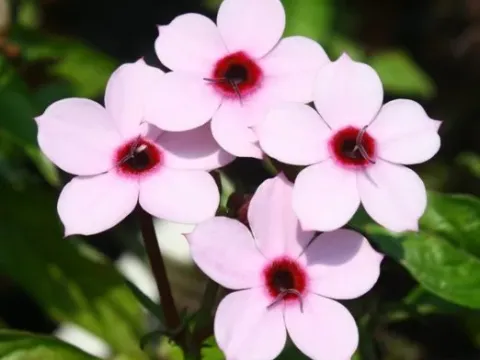
Otomeria
Otomeria
Otomeria is a genus of herbaceous plants belonging to the Rubiaceae family. While not a major commercial crop, it is of significant interest in botanical studies regarding the biodiversity of tropical regions.
What the section contains
Otomeria
The genus is native to tropical Africa, where it thrives in savannah environments and forest margins. These regions typically provide the consistent warmth and high humidity that the plant requires for active growth.
Cultivation requires well-drained, fertile soil rich in organic matter. Soil pH should ideally be neutral or slightly acidic to ensure optimal nutrient uptake by the root system throughout the plant's life cycle.
In terms of light exposure, Otomeria prefers bright, indirect sunlight. Excessive heat during the midday hours in hot climates might necessitate partial shading to prevent leaf scorching and desiccation.
The morphology of Otomeria includes characteristic tubular flowers and opposite leaves. Its biological rhythm is closely tied to seasonal precipitation patterns, which should be replicated as much as possible in a controlled environment.
Fungal infections are the most common issue for Otomeria crops, particularly those related to damp conditions. Powdery mildew can quickly affect the foliage if air circulation is insufficient within the planting area.
Insect pests such as aphids and spider mites frequently target the tender parts of the plant. If left untreated, these infestations can severely impact the vigor and ornamental or chemical value of the crop.
Root rot is a critical threat often caused by overwatering or poor soil drainage. Maintaining a proper irrigation schedule is essential to ensure that the roots remain healthy and free from pathogen colonization.
Root-knot nematodes are another potential threat, especially in soils that have not been properly managed. Crop rotation is an effective preventive measure to maintain soil health for future planting cycles.
Bacterial blights can occur when plants are stressed by extreme environmental fluctuations. Ensuring a stable growing environment and regular monitoring are the best strategies to maintain a healthy crop population.