
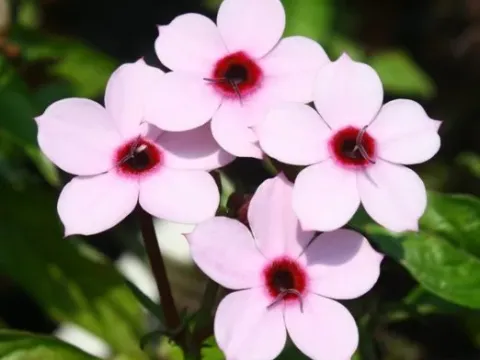
Otomeria
Otomeria Benth.
Otomeria (Latin Otomeria) is a genus of herbaceous plants belonging to the large Rubiaceae family. In their natural habitat, representatives of this genus are primarily found in the tropical and subtropical regions of Africa.
What the section contains
Otomeria
This crop has a specific life cycle that requires stable temperature conditions. Under controlled cultivation, it is recommended to sow seeds during periods when the soil warms up to 22–25 degrees Celsius.
For successful germination of Otomeria seeds, it is crucial to ensure high substrate moisture and the absence of sharp temperature fluctuations during the night.
Sowing is performed at a shallow depth, as the seeds have moderate germination energy and require sufficient oxygen access for the development of the primary root system.
Optimal planting density is calculated based on the habitus of the specific species, with the distance between rows being at least 30–40 centimeters to ensure adequate aeration.
Otomeria places high demands on soil quality and structure. The best results are achieved in drained, loamy substrates with a neutral or slightly acidic soil reaction.
The crop is photophilous; however, during the active vegetative growth phase, it is sensitive to direct midday sun, which can cause burns to the leaf blades.
The irrigation regime should be regular but moderate. Members of the Rubiaceae family, to which Otomeria belongs, react extremely negatively to both prolonged water stagnation and critical drying of the root ball.
The need for mineral nutrition is most pronounced during the budding phase. At this time, it is advisable to apply balanced complex fertilizers with a dominance of potassium and phosphorus.
The economic use of the species is mainly limited to selective breeding and botanical collections, as the plant possesses specific morphology requiring specialized maintenance conditions.
The main threat to Otomeria plantings in closed ground is posed by sucking pests, such as spider mites and whiteflies, which actively reproduce under conditions of insufficient ventilation.
With excessive air and soil humidity, the plant is susceptible to fungal diseases, particularly the development of root rot and powdery mildew during the later stages of vegetation.
To prevent the spread of infections, it is recommended to regularly inspect plants and remove damaged areas, as well as to maintain an optimal humidity level.
The use of systemic fungicides is justified only in cases of mass crop infestation, considering the sensitivity of some species within the genus to chemical preparations.
Disease prevention includes crop rotation, disinfection of seed material, and control over the cleanliness of equipment during the maintenance of the plants.