
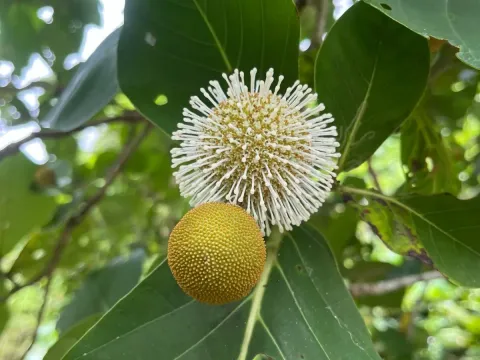
Neonauclea
Neonauclea
Neonauclea is a genus of evergreen trees and shrubs belonging to the family Rubiaceae. These plants are native to the tropical regions of Southeast Asia, ranging from India across to the Pacific islands, thriving in diverse rainforest habitats.
What the section contains
 Neonauclea calycina
Neonauclea celebica
Neonauclea celebica
Neonauclea excelsa
Neonauclea excelsa
Neonauclea excelsioides
Neonauclea excelsioides
Neonauclea calycina
Neonauclea calycina
Neonauclea celebica
Neonauclea celebica
Neonauclea excelsa
Neonauclea excelsa
Neonauclea excelsioides
Neonauclea excelsioides
 Neonauclea gigantea
Neonauclea gigantea
Neonauclea gigantea
 Neonauclea glabra
Neonauclea hagenii
Neonauclea hagenii
Neonauclea lanceolata
Neonauclea lanceolata
Neonauclea longipedunculata
Neonauclea longipedunculata
Neonauclea glabra
Neonauclea glabra
Neonauclea hagenii
Neonauclea hagenii
Neonauclea lanceolata
Neonauclea lanceolata
Neonauclea longipedunculata
Neonauclea longipedunculata
 Neonauclea pallida
Neonauclea parviflora
Neonauclea parviflora
Neonauclea superba
Neonauclea superba
Neonauclea ventricosa
Neonauclea ventricosa
Neonauclea pallida
Neonauclea pallida
Neonauclea parviflora
Neonauclea parviflora
Neonauclea superba
Neonauclea superba
Neonauclea ventricosa
Neonauclea ventricosa
Neonauclea
The culture requires a tropical climate characterized by consistently warm temperatures and high humidity levels throughout the year. It is highly sensitive to frost and sudden temperature drops, which can lead to severe physiological stress.
Ideal soil conditions involve deep, well-drained, and nutrient-rich substrates. While the plant loves water, it strictly requires excellent soil drainage to prevent root asphyxiation, a common issue in clay-heavy or waterlogged soils.
Botanically, the genus is recognized for its unique capitate inflorescences—dense, ball-like clusters of flowers. These structures are often aesthetically pleasing and play a role in the plant's reproductive strategy within dense forest environments.
The plant has been used traditionally for its timber and in various ethnobotanical practices. Research into the chemical properties of Neonauclea leaves and bark suggests a potential for future medicinal applications due to secondary metabolites.
The primary threats to Neonauclea include fungal leaf spots and root rots triggered by poor ventilation and excessive moisture. High-humidity environments naturally favor the proliferation of these pathogens if left unmanaged.
Common pests include sap-sucking insects like aphids, mealybugs, and scale insects. These pests feed on the nutrient-rich fluids of young leaves, causing leaf yellowing and distorted growth patterns.
Effective management strategies center on proper pruning to improve air circulation within the canopy. Removing dead or infected foliage is crucial to reducing the primary inoculum source for fungal diseases.
Integrated Pest Management (IPM) is highly recommended for this crop. Utilizing natural predators or horticultural oils can effectively manage pest populations without the need for aggressive chemical interventions.
Regular field scouting is essential to detect pest outbreaks or nutrient deficiencies early. Providing adequate spacing between individual trees significantly reduces the risk of rapid disease transmission across a plantation.