
Neonauclea glabra
Neonauclea glabra
Description
Growing requirements
Neonauclea glabra is a notable species within the Rubiaceae family, predominantly native to the tropical forests of Southeast Asia. This evergreen tree species has evolved to thrive in high-humidity environments, making it a specialized subject for tropical agroforestry systems.
The cultivation of this plant requires specific climatic parameters, primarily a tropical climate with consistent temperatures and significant annual rainfall. Deep, nutrient-rich, and well-draining soils are essential to prevent root asphyxiation while supporting the rapid vegetative growth typical of this species.
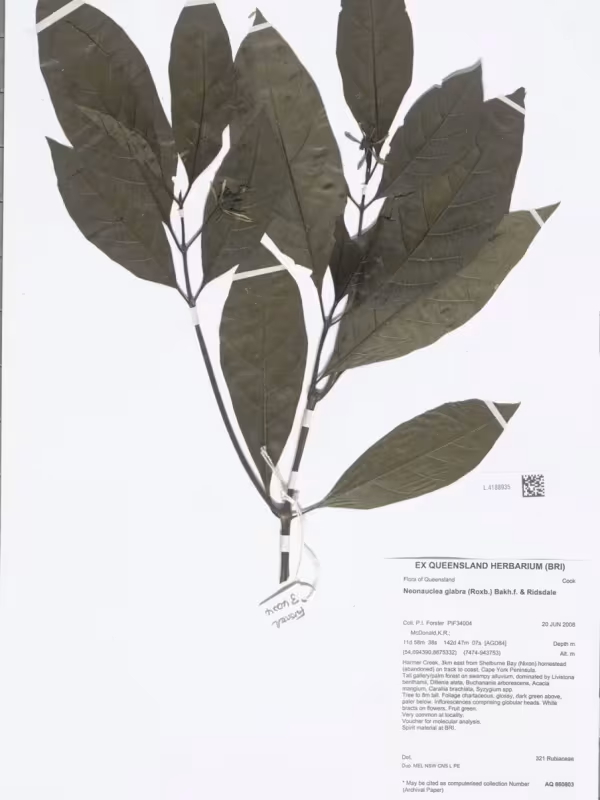
Botanically, Neonauclea glabra is characterized by its glossy, opposite leaves and dense, spherical flower heads. The tree structure is robust, often reaching significant heights, which makes the management of tree canopy density a priority in plantation spacing and layout for optimal sunlight penetration.
Agrotechnical practices involve careful soil management and the application of organic amendments to maintain the necessary soil pH. Due to its tropical origins, the maintenance of a stable microclimate through windbreaks and proper irrigation is crucial for the early development stages of the plantation.
The primary economic value of this crop lies in its timber, which is utilized for construction and high-quality furniture production. Furthermore, research into the phytochemical properties of its leaves and bark continues to highlight its potential in the pharmaceutical industry, justifying its status as a valuable commercial plant.
Main diseases and pests
Management of Neonauclea glabra faces challenges from fungal pathogens, particularly in areas with poor drainage which leads to fungal root infections. Strict adherence to plant hygiene and soil sanitation is necessary to mitigate the spread of these soil-borne diseases.
Insect pests, including various boring beetles and leaf-sucking species, represent significant threats to plantation health. Integrated pest management (IPM) strategies, involving regular monitoring and the use of eco-friendly repellents, are recommended to protect the integrity of the timber and overall plant vigor.