
Narrow-leaved crosswort
Crucianella angustifolia
Description
Growing requirements
Narrow-leaved crosswort (Crucianella angustifolia) is a member of the Rubiaceae family. It is an annual herbaceous plant native to the Mediterranean region, valued for its hardiness and ability to thrive in poor, rocky soil conditions.
The plant requires full sun exposure to maintain its physiological health and structural integrity. Shade conditions are detrimental to its development and generally lead to weak growth and increased vulnerability to pathogens.
The soil type should be predominantly sandy or stony, ensuring excellent drainage. It is highly sensitive to waterlogging, which can cause root decay in a very short period, thus proper site selection is essential for successful growth.
Regarding agricultural management, this crop is considered low-maintenance. It does not require high levels of soil fertility, and in many cases, supplemental fertilization can do more harm than good by altering the natural balance of the plant's development.
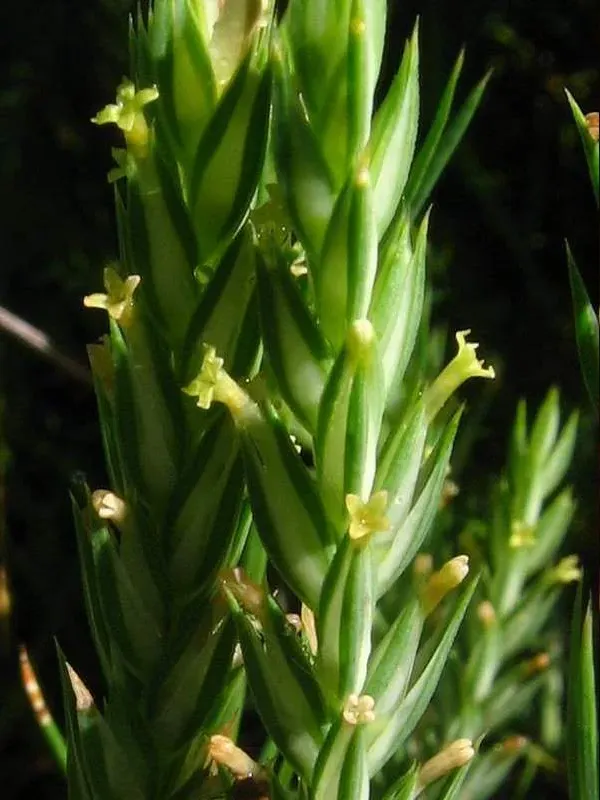
Botanically, it is recognized by its narrow, whorled leaves and distinct elongated inflorescences. Its evolutionary adaptation to arid environments makes it a sustainable option for regions with limited irrigation resources.
Main diseases and pests
The primary concern for the cultivation of Crucianella angustifolia is the management of fungal infections, particularly powdery mildew, which thrives in humid environments.
Spider mites are the most common pest observed during the growing season. Their activity increases in hot, dry conditions, potentially damaging the foliage and reducing overall plant vigor.
Root rot pathogens remain a significant threat whenever soil drainage is inadequate. Managing water levels is the primary cultural control method used to avoid these issues.
Weed competition is a limiting factor during the early establishment phase. Manual or mechanical weeding between rows is necessary until the plant canopy closes sufficiently to shade out smaller weeds.
Implementing a proper crop rotation strategy helps to reduce the build-up of specific soil-borne pests and diseases that may threaten the health and yield of the narrow-leaved crosswort over consecutive seasons.