
Neonauclea calycina
Neonauclea calycina
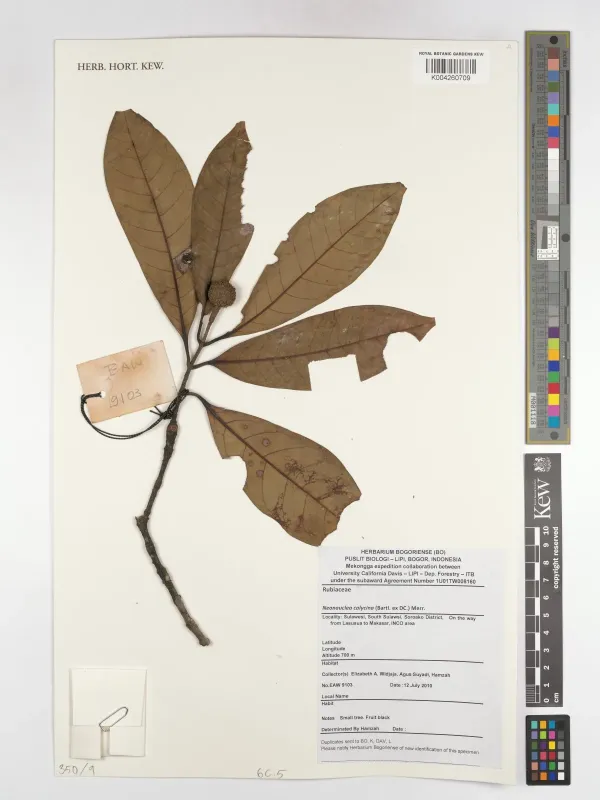
Description
Growing requirements
Neonauclea calycina is a woody crop belonging to the Rubiaceae family, native to the tropical forests of Southeast Asia. This species is well-adapted to humid, equatorial climates where consistent rainfall and warm temperatures support continuous growth.
The crop thrives in nutrient-rich, well-drained soils typical of tropical landscapes. It requires a stable environment and is sensitive to soil waterlogging, making proper drainage management an essential part of its silvicultural practice in managed plantations.
Botanically, this tree is characterized by its evergreen foliage and distinctive head-like flower clusters. The wood is known for its durability and structural integrity, which makes it a preferred material in local construction and cabinet making projects.
Agronomic management involves providing young trees with partial shade during their establishment phase. Soil fertility should be monitored to ensure healthy development, and regular clearing of competing vegetation is vital to reduce resource competition for the young saplings.
As a forestry crop, its cultivation is aimed at sustainable timber production. It plays a significant role in local ecosystems by providing shade and maintaining soil structure, while offering economic benefits through the harvest of its valuable wood resources.
Main diseases and pests
Fungal pathogens represent the most significant threat to Neonauclea calycina, particularly in regions with high humidity. These pathogens can attack the root system, causing decay that hinders the tree's ability to absorb water and nutrients.
Various insect pests, including wood-boring beetles, pose a major risk by damaging the trunk and branches. This damage not only weakens the tree but also creates entry points for fungal infections that can degrade the wood quality significantly.
Effective management requires strict adherence to phytosanitary protocols. This includes the removal and destruction of infested tree parts to prevent the rapid spread of diseases within the plantation area.
Maintaining proper tree spacing is a critical control measure to ensure adequate airflow and reduce the humidity levels that favor fungal growth. Good plantation hygiene is the primary line of defense against most endemic pests.
Monitoring programs are essential for early detection of pest infestations. By using integrated pest management strategies, foresters can protect the crop while minimizing the environmental impact of chemical interventions.