
Neohymenopogon
Neohymenopogon
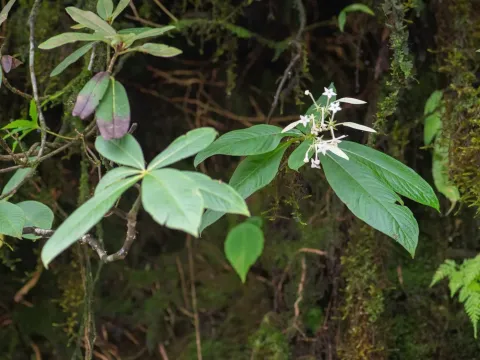
Neohymenopogon is a genus of flowering plants belonging to the family Rubiaceae. Native to the mountainous regions of tropical Asia, these plants have evolved to thrive in high-altitude forest ecosystems where humidity remains high throughout the year.
What the section contains

Neohymenopogon
Botanically, the species within this genus are characterized by specific leaf structures that facilitate efficient gas exchange in misty environments. They are often found growing as epiphytes or lithophytes in their natural habitat, which dictates their unique cultivation requirements.
Regarding growth conditions, Neohymenopogon requires a substrate that is exceptionally well-draining, rich in leaf mold, and slightly acidic. Compacted soil types must be avoided as they inhibit the necessary root aeration essential for the plant's metabolic processes.
The climate must be strictly controlled, maintaining temperatures between 18 and 25 degrees Celsius. Sudden temperature drops or exposure to dry HVAC air can cause rapid leaf senescence, making a stable greenhouse environment the best setting for their development.
In terms of agricultural and horticultural use, Neohymenopogon serves primarily as a specialized decorative plant. Due to the difficulty in propagation and high environmental demands, it remains a rare subject in global horticultural collections.
The main threats to the plant are soil-borne pathogens, particularly Phytophthora and Pythium species, which thrive in waterlogged conditions. Maintaining strict hygiene in the substrate and pots is the primary defense strategy against these infections.
Insects such as mealybugs and spider mites are typical pests when the plant is kept in indoor conditions with poor ventilation. Regular misting and the maintenance of adequate humidity levels act as a natural deterrent against these common greenhouse pests.