
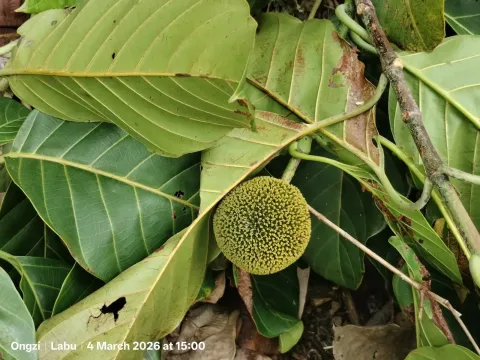
Neolamarckia
Neolamarckia
Propagation of Neolamarckia (specifically Neolamarckia cadamba) is primarily conducted through seeds in specialized forest nurseries under controlled environments.
What the section contains
Neolamarckia
Due to the extremely small size of the seeds, they are sown in trays using a sterile, light potting medium while maintaining high humidity and temperatures around 25-28 degrees Celsius.
Germination typically occurs within a few weeks, after which the seedlings are transplanted into individual containers for further development and hardening.
Field planting usually takes place at the onset of the rainy season to ensure that young saplings establish their root systems without the need for additional irrigation.
Planting density is adjusted based on the specific industrial objectives, ensuring that each tree has sufficient space for optimal development of the canopy and trunk.
Neolamarckia is a fast-growing member of the Rubiaceae family that thrives in hot, humid tropical climates characterized by consistent rainfall throughout the year.
The tree prefers deep, fertile, well-drained alluvial soils, though it possesses a remarkable ability to withstand temporary waterlogging during heavy rains.
As a light-demanding species, Neolamarckia requires full exposure to sunlight and must be planted in areas free from canopy cover from competing vegetation.
Climatic requirements strictly exclude frost, as cold temperatures are fatal to the growth of this species and can severely damage the plant tissues.
Management practices during the initial years of growth focus on weeding and maintenance of the forest floor to minimize resource competition with weeds.
The primary economic value of Neolamarckia lies in its exceptionally rapid biomass accumulation, which makes it an ideal candidate for industrial forest plantations.
Under optimal management, these trees can achieve substantial height and trunk diameter within the first decade of growth, offering quick commercial returns.
The timber produced is soft and lightweight, making it highly suitable for manufacturing plywood, matches, pulp for paper production, and industrial packaging.
Beyond timber, the fragrant flowers are harvested for their use in the perfume industry and traditional health applications, diversifying the plantation's income sources.
Annual yields are heavily dependent on site quality and the implementation of sound silvicultural practices, ensuring consistent production for wood-processing facilities.
In high-humidity tropical environments, Neolamarckia is susceptible to various fungal pathogens that can affect the root system and trunk development if drainage is poor.
Leaf-eating insects and certain caterpillars can cause significant damage to the canopy, necessitating regular monitoring and integrated pest management strategies.
Root rot remains a major threat when trees are planted in sites with poor soil aeration, highlighting the importance of proper site selection prior to establishment.
Maintaining air circulation within the plantation and ensuring the removal of severely infected individuals helps to mitigate the spread of diseases and pests.
In cases of severe infestation, biological controls are preferred to preserve the plantation's ecological balance while ensuring the health of the young trees.
Thinning operations are conducted early in the plantation's life to remove weaker or deformed individuals, allowing remaining trees to optimize growth and wood quality.
The final harvest typically occurs when the trees reach 10 to 15 years of age, providing a uniform size that is efficient for industrial processing and transportation.
Harvesting involves felling, de-limbing, and efficient log processing, followed by prompt transport to wood-processing sites to prevent fungal degradation.
After harvesting, site preparation is crucial to clear debris and restore soil nutrient levels, preparing the land for the next cycle of reforestation or cultivation.
Strategic scheduling of harvesting cycles allows forestry managers to maintain a steady flow of high-quality wood resources to the global timber market.