
Neonauclea pallida
Neonauclea pallida
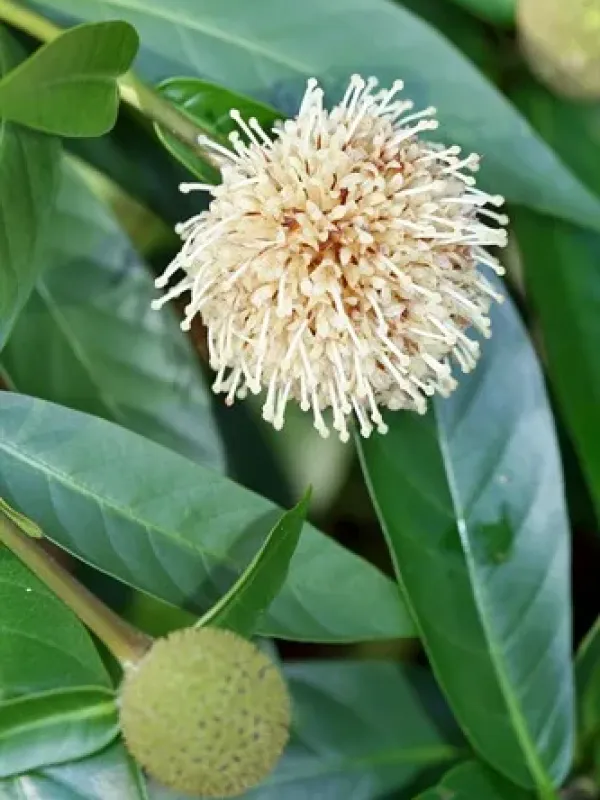
Description
Growing requirements
Neonauclea pallida is a perennial woody plant belonging to the Rubiaceae family, widely known for its ecological diversity in tropical regions. This species typically grows as a small to medium-sized tree, displaying evergreen foliage that contributes significantly to the forest canopy structure.
The native range of this plant encompasses the tropical belts of Southeast Asia. It is naturally adapted to high-rainfall environments, thriving in habitats where stable temperatures and significant humidity levels are maintained throughout the entire calendar year.
Cultivation of Neonauclea pallida requires specific edaphic conditions, primarily well-drained, nutrient-rich soils with moderate acidity. The plant is highly sensitive to stagnant water at the root zone, necessitating appropriate site selection or the implementation of professional soil management practices.
In terms of climatic requirements, this tree is strictly tropical and sensitive to frost or cold stress. Optimal growth is observed in protected areas with minimal wind exposure, as the structure of its branches and leaves makes it vulnerable to physical damage under severe weather conditions.
The species holds economic potential in local forestry and medicinal applications. Extracts from various parts of the tree have been documented in ethnobotanical studies, reflecting the presence of secondary metabolites that are of interest for both traditional healthcare and potential pharmacological development.