
Neonauclea gigantea
Neonauclea gigantea
Description
Growing requirements
Neonauclea gigantea is a prominent member of the Rubiaceae family, widely recognized for its contribution to tropical forest ecosystems and timber production. This species is native to humid tropical zones, thriving in environments characterized by high humidity and consistent rainfall.
The ideal climate for this tree involves temperatures ranging between 25 and 32 degrees Celsius year-round. It requires deep, fertile, and well-drained soils to support its substantial biomass development. Any waterlogging in the root zone can lead to severe physiological stress.
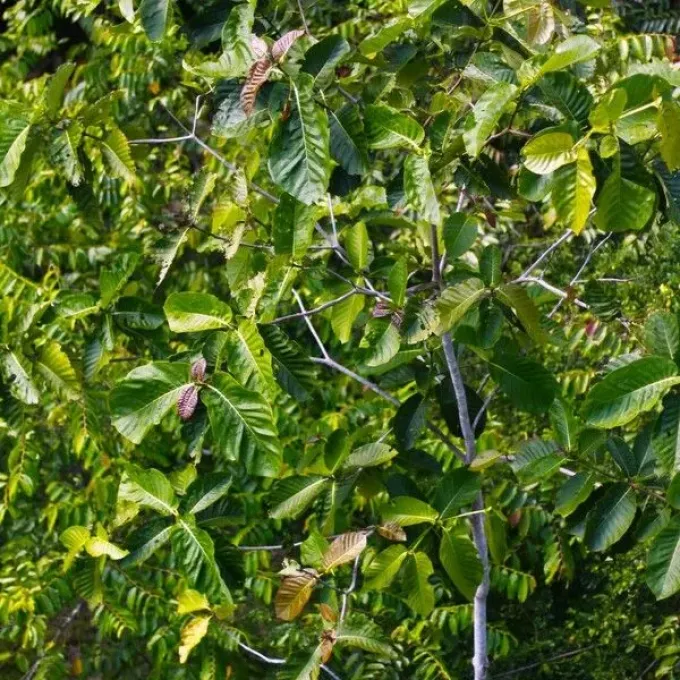
Botanical morphology is distinct, featuring large, glossy evergreen leaves and characteristic spherical flower heads that are typical of the Neonauclea genus. The tree architecture allows for efficient light capture, which is essential for survival in the dense competitive environment of its natural habitat.
Successful silviculture requires careful site selection, avoiding areas prone to extreme wind or soil erosion. Management includes thinning operations to optimize canopy spacing and provide sufficient nutrients for the healthiest, fastest-growing individuals on the plantation.
Economically, the species is valued for its hard and durable timber, which is utilized in high-end construction and furniture manufacturing. Sustainable forest management practices are vital to ensure the long-term viability of these timber resources.
Main diseases and pests
Pests and diseases are significant factors in Neonauclea gigantea plantation management. Borers and various types of wood-eating beetles pose a direct threat to the tree's structural integrity, often necessitating integrated pest management strategies.
Fungal pathogens causing root and trunk decay represent another major concern. These often manifest during periods of excessive rainfall if the plantation drainage system is inadequate, leading to the rapid decline of localized sectors within the forest.
Defoliating insects can significantly reduce the photosynthetic capacity of younger trees, leading to stunted growth. Regular monitoring of the foliage is essential to detect early infestations before they reach epidemic levels across the plantation area.
Mitigation strategies involve maintaining healthy soil biology and ensuring that the planting density allows for adequate airflow throughout the stand. This physical management reduces the microclimate humidity that often encourages fungal spore germination.
Protective measures are crucial during the early establishment phase of the plantation. Applying appropriate silvicultural techniques helps to bolster the tree's natural defense mechanisms, ensuring that the majority of the crop reaches maturity without heavy intervention.