
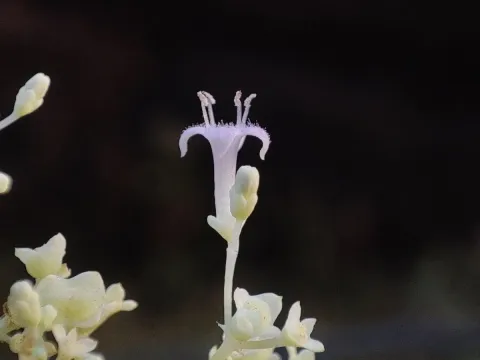
Neanotis
Neanotis
The genus Neanotis belongs to the Rubiaceae family, which is well-known for plants like coffee and gardenia. It consists of herbaceous plants that are widely distributed throughout the tropical regions of Asia and Australia.
What the section contains

Neanotis
These plants typically grow in moist, shady environments, such as forest understories and stream banks. Their ability to thrive in low-light conditions makes them a specific subject for controlled horticultural environments.
For cultivation, Neanotis requires a rich, well-draining potting medium. High organic content is essential for promoting vegetative growth, while a stable moisture level prevents the plant from experiencing drought stress.
Climatic requirements are strict: the plant needs consistent warmth and high relative humidity. It cannot tolerate cold drafts or temperatures dropping below 15 degrees Celsius, making it suitable only for warm climates or greenhouse cultivation.
A consistent fertilizer schedule during the growing season is necessary to support the plant's delicate leaf development. A balanced, water-soluble fertilizer is usually sufficient to maintain healthy pigmentation and structural integrity.
The most significant threat to Neanotis is the presence of fungal pathogens, specifically those causing root rot, which is often exacerbated by poor drainage and stagnant air conditions in greenhouses.
Pest infestations including mealybugs and spider mites are common, especially in indoor settings. These pests suck the sap from the stems, potentially transmitting viral diseases to the host plant.
Monitoring the undersides of leaves is essential for early pest detection. If caught early, manual removal or mild insecticidal soaps can successfully eliminate the pest population without damaging the plant.
Proper sanitation is the cornerstone of protecting this crop. Disinfecting tools and maintaining a sterile environment prevent the cross-contamination of pathogenic fungi that could devastate the crop.
Finally, environmental stress, such as extreme temperature fluctuations, can render the plant more susceptible to opportunistic infections, necessitating climate control measures as a primary defense strategy.