
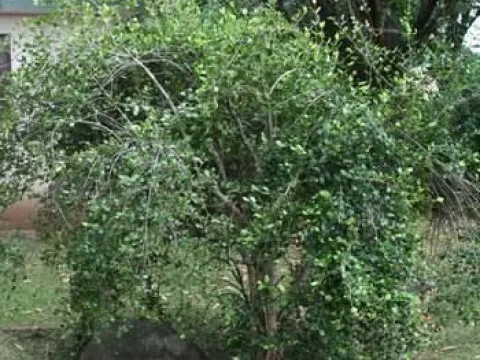
Myonima
Myonima
Myonima is a genus of evergreen shrubs belonging to the Rubiaceae family. These plants are botanical treasures primarily native to the Mascarene Islands in the Indian Ocean, characterized by their specific environmental adaptations.
What the section contains

Myonima
To cultivate Myonima successfully, one must replicate a tropical habitat featuring high humidity levels and consistent, stable temperatures. The plant requires filtered light, as direct exposure to harsh sun rays can lead to leaf scorching and overall stress.
Soil requirements are strict: the medium must be well-draining, nutrient-rich, and slightly acidic. Proper aeration is crucial to prevent root suffocation, a common issue in heavier clay-based soils that do not allow for adequate water movement.
Agricultural practices for this culture emphasize consistent moisture management. While the plant dislikes waterlogged roots, it also suffers significantly if the root zone dries out completely, making precise irrigation cycles essential for healthy growth.
In terms of хозяйственное usage, Myonima is mainly appreciated by botanic gardens and conservatory managers for its rarity and unique appearance. It offers potential for horticultural research regarding the phytochemical properties of tropical Rubiaceae.
The primary threats to Myonima include various fungal infections caused by stagnant air and excessive moisture levels. To prevent these issues, growers should prioritize air circulation and avoid wetting the foliage during watering sessions.
Common pests include spider mites and scale insects. These organisms thrive in the same humid environments that the plant favors, requiring growers to remain vigilant through frequent inspections of the undersides of the leaves.
If an infestation occurs, it is recommended to use mild organic soaps or horticultural oils to treat the affected areas without causing chemical damage to the sensitive leaves of the shrub.
Root rot is a major risk associated with poor drainage systems. It is vital to ensure that all containers or planting beds have reliable exit points for excess water to maintain root health over the long term.
Maintaining a high standard of sanitation—such as removing debris and disinfecting tools—significantly reduces the probability of disease outbreaks, keeping the plants robust and thriving in controlled conditions.