
Neanotis hirsuta
Neanotis hirsuta
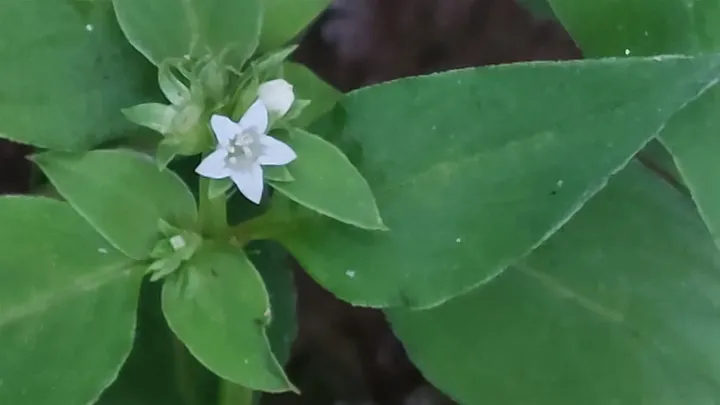
Description
Sowing dates
Neanotis hirsuta is a perennial herbaceous plant belonging to the Rubiaceae family. Its natural distribution range covers tropical and subtropical regions of Asia, including India and Southeast Asia, where it thrives in humid environments.
Sowing of this species is usually performed at the onset of the rainy season, as the plant is highly sensitive to substrate moisture during the initial growth stages. Seeds may require stratification or heat treatment to enhance germination rates in controlled environments.
For commercial cultivation, seeds are sown into a nutrient-rich soil mix with a neutral to slightly acidic pH. Shallow sowing is optimal because the small seeds require light exposure for the successful activation of physiological growth processes.
Biologically, the crop prefers a loose soil structure that ensures effective drainage, which is crucial for preventing root system decay. Greenhouse cultivation requires maintaining a constant temperature range of 22–25 degrees Celsius.
Industrial production often involves starting plants in nursery trays to control stand density. Transplanting into the field is carried out once night temperatures have stabilized and the risk of cold shocks is completely eliminated.
Growing requirements
The crop has high light requirements, favoring partial shade in regions with intense solar radiation. Direct sunlight during peak afternoon hours can cause leaf scorching, particularly in younger, less established specimens.
The soil must be rich in organic matter to provide the necessary nutrients throughout the vegetation period. Proper soil aeration is an essential condition for preventing waterlogging and ensuring root health.
Moisture requirements for Neanotis hirsuta remain consistently high throughout its entire life cycle. A lack of irrigation leads to a rapid loss of turgor pressure and a significant reduction in vegetative biomass.
Application of complex mineral fertilizers is recommended during the phase of intensive growth. Particular attention should be paid to nitrogen-based feeding, which supports the development of lush foliage.
The plant does not tolerate sudden cold snaps or drafts, so in temperate climates, the use of protective structures is advised. Maintaining high ambient humidity is the key to successful development and crop vigor.
Main diseases and pests
Major phytopathological threats to Neanotis hirsuta are linked to fungal diseases caused by excessive soil moisture. Root rots are considered the most dangerous, often leading to the total loss of the crop.
Among pests, spider mites and aphids pose the greatest threat, as they feed on the delicate leaf tissues. Regular monitoring of plant health allows for the early detection and containment of pest outbreaks.
Powdery mildew may infect foliage if greenhouse ventilation regimes are not properly maintained. Preventive treatments with biological fungicides help reduce the risk of pathogen spread within the plantation.
To control insect pests, the use of systemic insecticides approved for medicinal or ornamental crops is recommended. It is essential to strictly follow the application protocols provided by manufacturers.
Agrotechnical management strategies, such as timely weed removal and proper crop rotation, significantly lower the overall disease and pest pressure on the cultivated area.