
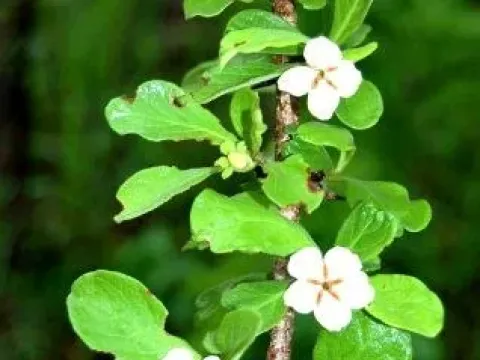
Mussaenda arcuata
Mussaena arcuata
Mussaenda arcuata is a woody shrub species belonging to the Rubiaceae family. Native to the tropical regions of Africa, this plant is valued for its unique growth habit and distinctive floral structures.
What the section contains
Mussaenda arcuata
To successfully cultivate this species, high ambient temperatures are essential. It thrives best when temperatures remain consistently between 22°C and 28°C, and it should be shielded from any exposure to frost.
The plant requires a nutrient-rich, well-drained growing medium with a slightly acidic pH level. Proper aeration of the root zone is critical to prevent waterlogging and ensure healthy development of the plant.
High humidity is a key environmental requirement for Mussaenda arcuata. In greenhouse or indoor environments, humidity levels should be maintained above 60% to prevent leaf edge desiccation and promote vigorous growth.
Its botanical defining feature includes enlarged sepals that look like petals, which serve as an attraction for pollinators in the wild. This aesthetic quality makes it a popular specimen for tropical landscaping.
Spider mites are the most common pest problem for this plant. They tend to infest the plant when environmental humidity drops, leading to webbing and leaf chlorosis if not addressed immediately.
Mealybugs can also pose a significant threat, hiding in leaf axils and stems. Physical removal combined with the use of horticultural oils is effective for managing moderate infestations.
Root rot, caused by over-watering or poor soil drainage, is a lethal threat to Mussaenda. It is important to allow the top layer of soil to dry out slightly before the next irrigation cycle.
Fungal leaf spot diseases are likely to occur in poorly ventilated environments. Proper plant spacing and ensuring good airflow are the best preventative measures against fungal pathogens.
Aphids can cause stunted development in new vegetative shoots. Regular monitoring and the application of mild insecticidal soaps are recommended for keeping aphid populations under control.