
Mussaenda philippica
Mussaenda philippica
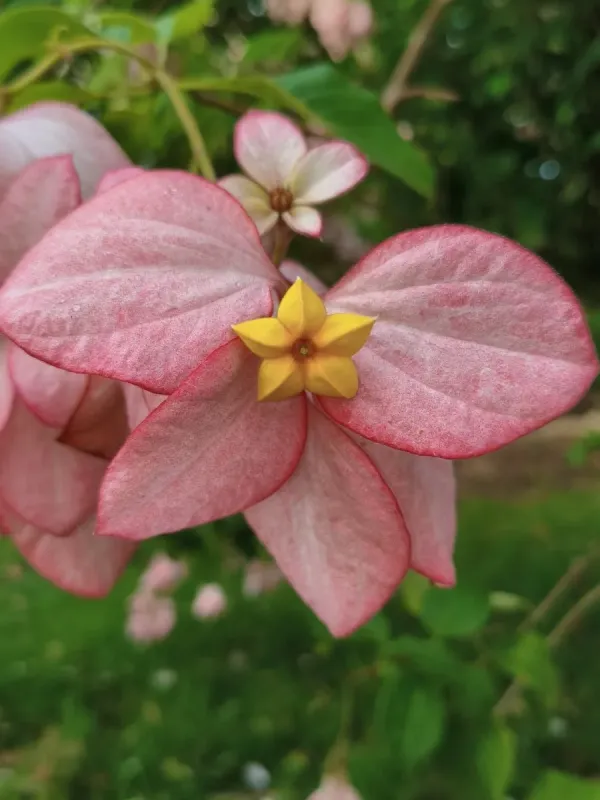
Description
Growing requirements
Mussaenda philippica is a prominent ornamental shrub belonging to the Rubiaceae family. Native to the Philippines and tropical regions of Asia, it is highly valued for its striking, enlarged sepals that resemble flowers.
This shrub requires a warm, tropical climate to thrive. It performs best in environments where temperatures consistently range between 20°C and 30°C, as it is highly sensitive to cold and freezing conditions.
Soil requirements involve high organic matter content with an acidic to neutral pH. A well-draining substrate is mandatory to prevent root asphyxiation, which can quickly lead to the decline of the plant.
Light intensity plays a crucial role in the development of the vibrant sepals. While the plant loves sunlight, it requires filtered light during the hottest parts of the day to prevent leaf scorching and desiccation.
Water management is vital; the soil should remain moist but never waterlogged. During the active growth phase, increased irrigation and high humidity levels are essential to support the shrub's high metabolic rate.
Main diseases and pests
The most common pests affecting Mussaenda are spider mites and mealybugs. These organisms thrive in dry environments and can quickly infest the underside of the foliage, weakening the plant significantly.
Fungal diseases, including powdery mildew and root rot, often occur due to poor air circulation or overwatering. These conditions require immediate intervention to stop the spread of the pathogen.
Integrated Pest Management (IPM) is recommended for this crop. Regular monitoring for early signs of infestation and maintaining optimal greenhouse hygiene are the most effective preventive measures.
In case of severe infestations, targeted use of horticultural oils or systemic insecticides may be necessary. Always ensure that the treatment is compatible with the plant's current stage of development.
Maintaining a balanced nutritional program ensures the plant develops a robust cuticle, making it naturally more resistant to common diseases and minor pest outbreaks throughout the growing season.