
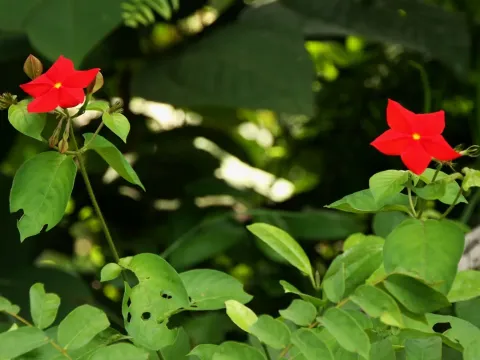
Mussaenda elegans
Mussaenda elegans
Mussaenda elegans is an ornamental shrub belonging to the Rubiaceae family. Originating from the tropical regions of Africa, this plant has gained attention in botanical and specialized floriculture due to its unique appearance and distinct floral structures.
What the section contains
Mussaenda elegans
The plant thrives in tropical climates where the temperature remains consistent, ideally between 20°C and 28°C. It is highly susceptible to chilling injury and cannot survive in frost-prone environments without specialized climate control.
Soil requirements for Mussaenda elegans include a well-draining, nutrient-rich, and slightly acidic medium. High organic content is essential for sustaining the vigorous growth of the root system during the active vegetation season.
Consistent moisture management is a cornerstone of its cultivation. High relative humidity, preferably above 60-70%, must be maintained to prevent leaf desiccation and ensure optimal physiological functions of the plant.
Light exposure should be managed carefully. While the plant loves bright conditions, it thrives best in filtered or indirect sunlight to protect its delicate foliage from heat stress and photochemical damage.
The primary pests affecting this species are spider mites, mealybugs, and aphids, especially when cultivated in glasshouse environments where air circulation may be restricted.
Root rot caused by Phytophthora or Pythium species is the most common pathology. These diseases are usually triggered by waterlogging and poor soil aeration, leading to rapid plant decline.
Integrated Pest Management (IPM) strategies are recommended, utilizing biological controls such as predatory mites or selective chemical treatments when infestations reach economic threshold levels.
Sanitation practices are vital. Cleaning containers and pots between cultivation cycles helps minimize the presence of soil-borne pathogens and insect eggs that could compromise the crop.
Monitoring the plant for early signs of yellowing or stunted growth is crucial, as these symptoms often precede significant infestations or severe fungal development.