
Macrosphyra longistyla
Macrosphyra longistyla
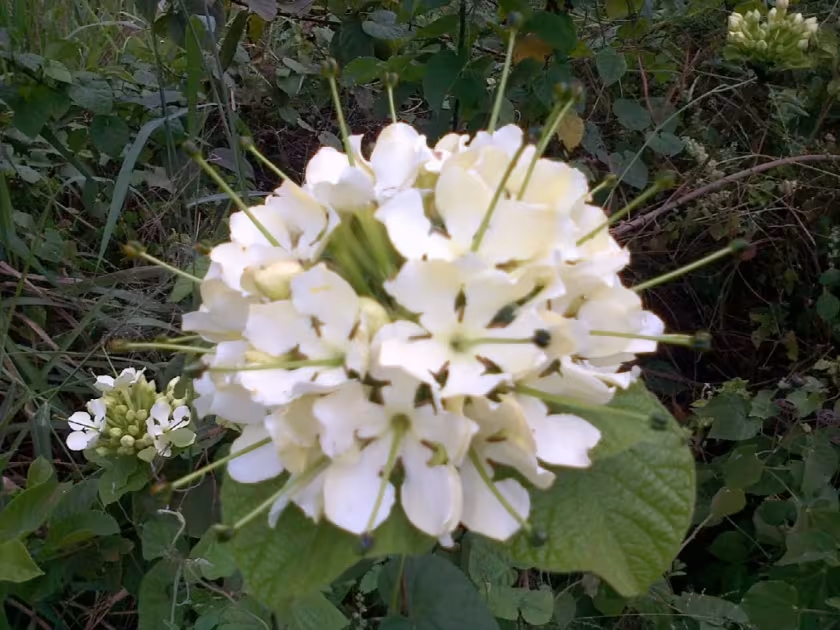
Description
Growing requirements
Macrosphyra longistyla is a perennial shrub species belonging to the Rubiaceae family. Native to the tropical regions of Africa, this plant is well-adapted to warm, humid ecosystems, often found in diverse habitats within tropical forest zones.
Botanically, it is recognized for its unique floral morphology, characterized by distinctively long styles, from which its scientific name is derived. The leaves are typically opposite, providing a dense canopy cover in its natural habitat.
The climatic requirements for this crop are strict, demanding consistent warmth throughout the year. It does not tolerate frost or low temperatures, making it a plant suitable for greenhouse cultivation in temperate climate regions where environmental control is available.
In terms of soil, it prefers nutrient-rich, well-draining substrates with an slightly acidic to neutral pH. Providing high organic matter content is essential for supporting its vigorous growth and ensuring the plant remains healthy throughout the vegetative stages.
Agronomic management focuses on maintaining a steady moisture level in the soil and ensuring good air circulation. Fertilization programs should include balanced macronutrients applied during the active growing season to support development of stems and foliage.
Main diseases and pests
Common pests include spider mites and scale insects that feed on the sap of the plant. If left untreated, these infestations can lead to significant loss of vigor and potential plant death, making early detection and integrated pest management critical.
Fungal infections, often triggered by excessive humidity or poor soil drainage, represent the most common physiological threat. Proper management of the growing environment, specifically controlling irrigation and ensuring adequate space between plants, is the best preventive strategy.