
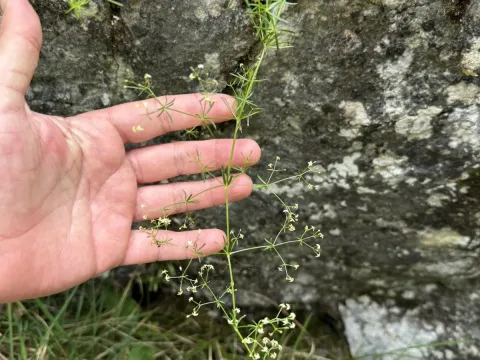
Galium truniacum
Galium truniacum
Galium truniacum is a perennial herbaceous plant belonging to the Rubiaceae family. Known for its specific ecological niche, it is a species that thrives in temperate climate zones, demonstrating significant resilience to seasonal temperature fluctuations.
What the section contains
Galium truniacum
The plant prefers well-drained, fertile soils with a neutral or slightly alkaline pH. Proper site selection is vital, as the plant requires abundant sunlight for optimal photosynthesis, though it can tolerate light shade during the hottest parts of the day.
Soil structure should allow for adequate aeration. Heavy, clay-rich soils that retain excess moisture should be avoided to prevent root rot, as the root system of Galium truniacum is sensitive to waterlogging, especially during the dormant season.
Agrotechnical management includes periodic thinning to prevent overcrowding, which can otherwise lead to poor air circulation. While the plant is relatively hardy, providing compost or organic fertilizers during the planting phase can significantly enhance vigor and raw material production.
Water management is critical during the first stages of growth. While mature plants are relatively drought-tolerant, seedlings require consistent soil moisture to establish their root systems effectively, ensuring long-term survival in the field.
Disease management focuses primarily on preventing fungal infections such as powdery mildew. This is best achieved by ensuring adequate spacing between plants and avoiding overhead irrigation, which can create microclimates favorable for fungal spores.
Pest issues often involve aphids or various beetle species that may feed on the stems and foliage. Integrated pest management strategies, including the introduction of beneficial predatory insects, are recommended to maintain plant health without relying on intensive chemical applications.