
Galium valdepilosum
Galium valdepilosum
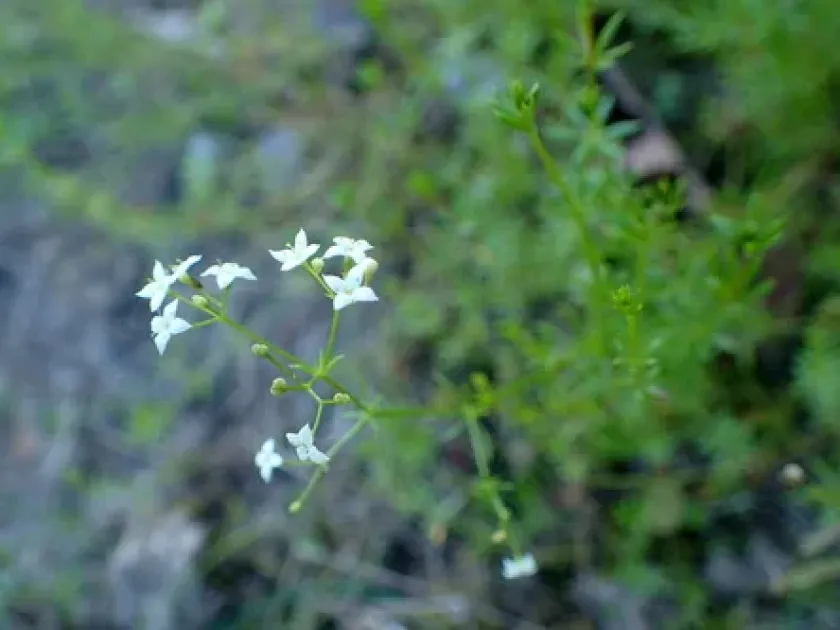
Description
Growing requirements
Galium valdepilosum, a member of the Rubiaceae family, is a perennial herbaceous plant recognized for its resilience and specific environmental adaptations. It thrives in well-drained, light-textured soils with a neutral or slightly acidic reaction.
The plant exhibits a preference for open, sunny habitats, reflecting its natural evolution in steppe and meadow environments. This sunlight dependency is crucial for maximizing the accumulation of secondary metabolites, which are essential for its medicinal use.
Botanically, the plant is distinguished by its dense, hirsute stems and narrow, whorled leaves. These physical characteristics serve as an evolutionary mechanism to minimize transpiration and protect against thermal stress in its native arid-leaning environments.
Soil structure should be maintained to ensure proper aeration, as the root system of Galium valdepilosum is sensitive to prolonged waterlogging. Adequate drainage is the most critical factor for successful establishment in commercial or experimental plots.
The species demonstrates strong competitive ability against common weeds, provided that the initial crop establishment is successful. Once established, it requires minimal inputs, making it an efficient crop for low-maintenance agricultural systems.
Main diseases and pests
Fungal pathogens such as mildew pose the most significant risk to the biomass yield of Galium valdepilosum. Management involves maintaining appropriate plant density to ensure adequate airflow within the crop canopy.
Pest pressure is primarily driven by sap-sucking insects like aphids, which can inhibit plant development. Integrated pest management strategies, focusing on biological control, are recommended to maintain the quality of the raw material.
Root-knot nematodes can potentially impede nutrient uptake, leading to chlorosis or stunted growth. Crop rotation with non-host species is highly recommended to break the life cycle of these soil-borne pests.
Excessive humidity during the harvest period can lead to post-harvest decay, requiring rapid drying protocols to ensure the longevity of the plant material.
Effective management requires consistent field monitoring, focusing on early signs of stress that could indicate both biotic and abiotic challenges to the crop's long-term health.