
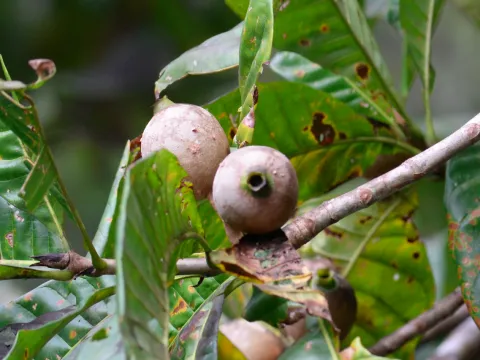
Genipa
Genipa
Genipa is a genus of tropical trees belonging to the Rubiaceae family. The most agriculturally significant species is Genipa americana, native to the tropical forests of Central and South America, where it thrives in warm and humid environments.
What the section contains

Genipa
The plant is strictly tropical and requires high temperatures throughout the year. It exhibits an impressive tolerance for saturated soils, making it an excellent candidate for cultivation in riparian zones or areas prone to seasonal flooding.
Cultivation requires deep, fertile, and well-draining soils for optimal growth. However, the species is remarkably adaptable and can establish itself in a variety of soil types, including heavy clays, provided there is no long-term stagnant water.
Thermal requirements for the species range between 22°C and 30°C. The plant is highly sensitive to cold, and even minor frost events can result in irreversible damage to the canopy, which dictates its limited geographic distribution.
In terms of agricultural management, young saplings require partial shading to survive their first developmental stages. Once established, the trees are capable of full sun exposure and begin to develop a dense, productive canopy.
The yield of Genipa varies depending on the tree's maturity and regional climate conditions. Mature trees produce substantial harvests of globose fruits that are highly valued for both their nutritional content and chemical properties.
The fruit is widely recognized for its juice, which acts as a natural dye. When unripe, the extract reacts with skin or organic materials to produce a dark blue to black color, which has been utilized for centuries for body art and fabric staining.
Beyond its industrial applications, the pulp is edible and nutritious. It is frequently processed into refreshing drinks, jellies, marmalades, and local alcoholic beverages, providing a secondary source of income for smallholder farmers.
The timber of the Genipa tree is highly regarded for its physical properties, including strength, flexibility, and durability. It is a preferred material for carpentry, cabinetry, and the production of small wooden implements.
From an ecological perspective, Genipa plays a vital role in soil restoration. Its robust root system aids in stabilizing riverbanks and preventing soil erosion, making it a sustainable choice for integrated agroforestry systems.
Genipa is generally characterized by high resilience to pests. However, in regions with excessive humidity, fungal pathogens may affect the foliage. Maintaining proper distance between trees is essential to ensure adequate airflow and prevent outbreaks.
Insect pests typically target the tender foliage of young plants. Integrated pest management strategies, focusing on biological controls, are usually sufficient to maintain healthy crop levels without the excessive use of harsh chemicals.
Post-harvest quality management is critical to ensure the integrity of the fruits. Mechanical damage during the harvesting process can lead to rapid decay, necessitating careful handling and prompt processing or storage under cool conditions.
Root rot is a potential risk if the soil lacks sufficient drainage for an extended period. Soil testing and topographical management of the planting site are key steps in mitigating this agricultural risk.
Routine sanitary pruning is recommended to maintain tree health. Removing diseased or dead wood prevents the buildup of pathogens within the canopy and supports better light penetration to the inner branches of the tree.