
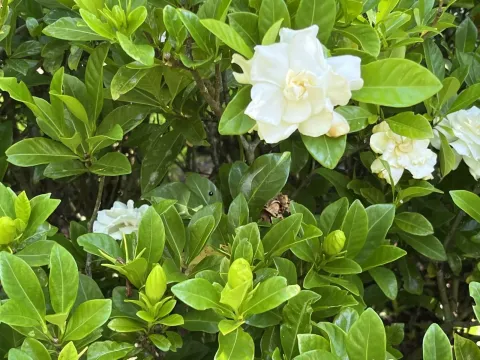
Gardenia
Gardenia Ellis
Gardenia (Gardenia Ellis) is a prominent evergreen shrub belonging to the Rubiaceae family. Originally native to tropical and subtropical regions of Asia and Africa, it is widely recognized for its high ornamental value and commercial importance in floriculture.
What the section contains

Gardenia
Botanically, the plant features glossy, dark green leaves and highly fragrant, waxy flowers. The structure of the plant varies from compact shrubs to medium-sized trees, depending on the specific cultivar and cultivation methods employed in a controlled environment.
Environmental requirements for gardenia are stringent, necessitating high ambient humidity and stable temperatures. To ensure optimal growth, cultivation should take place in protected environments where light exposure is significant but filtered to prevent foliage damage.
The crop requires acidic, well-draining soil with a pH range between 4.5 and 5.5. Proper soil management includes the use of organic peat-based substrates and the application of fertilizers that do not increase the alkalinity of the rooting medium.
In addition to its ornamental role, gardenias are utilized in the fragrance industry for their essential oils. The production process requires careful climate control to maximize flower yield and maintain the quality of the delicate petals during the development stage.
The crop is highly susceptible to several pests, most notably spider mites, whiteflies, and scale insects. These pests thrive in environments with low humidity, necessitating regular monitoring and the application of appropriate biological or chemical pesticides.
Common pathological issues include leaf chlorosis due to iron deficiency and root rot caused by poor soil drainage. Maintaining a strict irrigation schedule and ensuring proper substrate composition are critical strategies for mitigating these disease risks.