
Galium viscosum
Galium viscosum
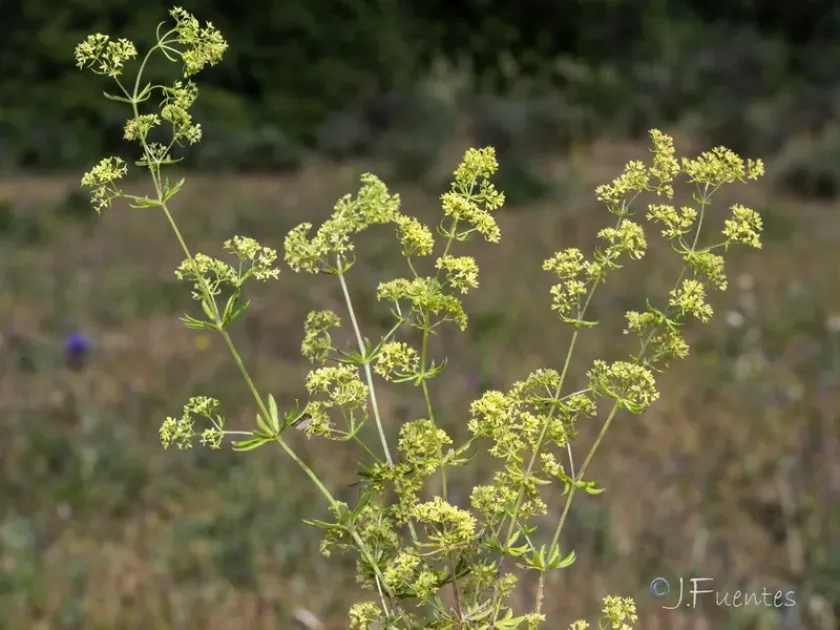
Description
Sowing dates
Sowing of Galium viscosum requires careful planning regarding the climatic region and the intended use of the harvest. Typically, early spring is the most favorable time for planting, once the soil has reached a sufficient temperature to trigger germination.
Seeds of Galium viscosum benefit from stratification before sowing to ensure higher and more uniform germination rates. Planting depth should be maintained at approximately 1 to 2 centimeters to provide the seeds with adequate access to light and moisture.
To optimize plant growth, a spacing of 30–45 centimeters between rows is recommended. This setup prevents overcrowding, facilitates air circulation, and makes mechanical weeding and cultivation processes significantly easier for the farmer.
During the first few weeks following germination, soil moisture must be consistent. Drought stress at this early stage of development can lead to reduced stand density and negatively impact the final biomass yield of the field.
The selection of field location is crucial; it should be free from perennial weeds that could compete with the crop in its early stages. Implementing a proper crop rotation strategy is advisable for long-term soil health and productivity.
Growing requirements
Galium viscosum belongs to the Rubiaceae family and thrives best in well-drained, light to medium-textured soils. Neutral or slightly acidic soil conditions are ideal for fostering a strong root system and maximizing vegetative growth.
The plant demonstrates a clear preference for sunny locations, as light exposure is vital for the development of its chemical compounds and overall vigor. While it can tolerate minor shading, consistent sunlight is required for high-yield farming.
Regarding climate, the plant is relatively hardy and well-adapted to moderate temperatures. It grows most actively during periods when temperatures remain between 18 and 24 degrees Celsius, making it a suitable choice for temperate growing zones.
Proper nutrient management is essential for successful cultivation. Nitrogen and potassium applications at the beginning of the vegetative phase significantly boost leaf production and biomass accumulation, leading to more productive harvests.
Regular field maintenance, including inter-row cultivation to keep the surface loose, is recommended. This practice not only manages weed presence but also improves soil aeration, which is vital for the healthy development of Galium viscosum.
Harvesting
Harvesting Galium viscosum is most effective during the peak flowering stage. This is the period when the plant's active compounds are at their highest concentration, ensuring maximum quality for medicinal or industrial applications.
The harvest process utilizes standard mechanical mowing equipment. It is important to adjust the height of the mower to ensure a clean cut while avoiding potential contamination of the raw material with soil or foreign debris.
Post-harvest processing, particularly drying, must be handled promptly to maintain product integrity. Drying should occur in well-ventilated, shaded facilities to preserve the plant's color, aroma, and chemical composition effectively.
Sorting and cleaning the harvested biomass immediately after cutting is a standard requirement. Removing any unwanted weeds or organic residues ensures that the batch meets the necessary quality standards for distribution.
Proper storage conditions are key to extending the shelf life of the harvested material. Maintaining the product in a dry, cool, and dark environment prevents degradation and helps retain its value over an extended period.