
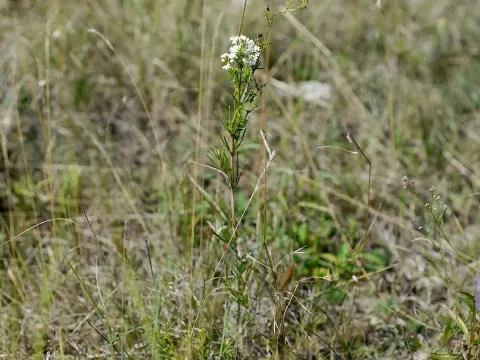
Galium volhynicum
Galium volhynicum
Galium volhynicum, a member of the Rubiaceae family, typically propagates through seeds, which require specific conditions for germination. In natural environments, seeds ripen by late summer and naturally disperse to germinate after the winter dormancy period.
What the section contains
Galium volhynicum
For agricultural cultivation, seeds should be sown in the autumn to ensure natural cold stratification, which significantly improves germination rates. If spring sowing is planned, seeds must undergo artificial stratification in a refrigerator for at least one month at low temperatures.
The sowing depth must be kept shallow, approximately 0.5 centimeters, as small seeds cannot emerge if planted too deep in the soil. The seedbed needs to be finely crumbled to ensure maximum contact between the seed and the soil moisture.
Row spacing should be maintained at about 30 to 40 centimeters, providing enough space for the plants to establish a robust root system. Adequate moisture levels are crucial during the first month following sowing to ensure the successful emergence of sprouts.
The early growth phase is slow, so keeping the plantation free of weeds is a top priority for successful establishment. Manual or mechanical weeding is recommended during the first year of growth until the plants form a closed canopy.
This species is well-adapted to partial shade environments, which mimic the forest edges where it naturally occurs. Intense, direct sunlight can dehydrate the plant and negatively impact its secondary metabolite content.
The ideal soil for Galium volhynicum is rich in organic matter, slightly acidic, and well-drained. Soils prone to waterlogging must be amended with sand or organic material to prevent root rot and ensure proper aeration.
Water requirements are moderate but consistent; the soil should remain moist throughout the growing season without becoming waterlogged. During drought spells, irrigation is necessary to maintain the plant's health and biomass production.
Galium volhynicum is quite hardy and capable of surviving cold winter temperatures, making it suitable for moderate climatic zones. The optimal temperature for vegetative growth is between 15 and 22 degrees Celsius.
Fertilization should be handled with care, preferring compost or well-rotted organic matter over intensive mineral nitrogen fertilizers. Over-fertilization can disrupt the delicate chemical balance of the plant's active compounds.
Powdery mildew and grey mold are the most common diseases, especially when plants are grown in overcrowded conditions with poor air circulation. Managing plant density is a key preventative measure against these fungal issues.
Slugs and snails can cause significant damage to the foliage, particularly during wet and humid weather. Implementing physical barriers or organic pest control methods can protect the crop from these common garden pests.
Aphids might colonize the tender shoots, causing stunted growth and leaf curling. Regular inspection of the crop allows for early detection and localized intervention to keep the pest population under control.
Root rot, often caused by poorly drained soil or excessive moisture, can lead to widespread crop loss. Maintaining a proper soil structure through drainage and avoiding over-irrigation are essential to prevent these infections.
Adopting good agricultural hygiene, such as removing debris and infected plant tissues, reduces the potential for disease spread. Maintaining healthy, vigorous plants is the best defense against pests and diseases.